Select Page

Get a Free Second Opinion
Craniotomy Surgery Cost in India

– Providing 30+ years of world-class healthcare to diverse communities.
– 600+ specialists across 62 medical specialties providing expert care
– Advanced technology and procedures for top-quality patient care
– Minimally invasive procedures for faster recovery and comfort
– Advanced surgical suites and ICUs for critical care

Craniotomy surgery is a highly proficient brain technique in which a small part of the skull is removed for the time being to allow surgeons a direct entrance to the brain. After the process is completed, the bone is cautiously placed back and fixed. This modern method of surgery potrays a important part in advanced neurosurgery, and has helped in changing the way complicated brain problems are treated. The brain is one of the most fragile but powerful organs in the human body. It controls movement, speech, memory, emotions, and important tasks in the body. Any surgical method that involves the brain requires remarkable accuracy and skillfulness.

Craniotomy is executed by highly skilled neurosurgeons using modern instruments, high-powered microscopes, and modern imaging methods to make sure of maximum precision and protection. In recent years, developments in medical science have greatly improved the rate of well-being and success after craniotomy surgery. Methods like neuronavigation systems, intraoperative monitoring, and high-resolution imaging allow surgeons to work with notable accuracy while safeguarding the healthy tissue in the brain. These developments have decreased the potential issues during surgery and have greatly enhanced the overall results. Even though planning to undergo brain surgery might sound scary, craniotomy has become a well-established and carefully planned method. Every step is carefully planned from pre-surgical assessment to final closure of the skull. A dedicated multidisciplinary team works in tandem to make sure of the patient’s well-being throughout the process. Craniotomy surgery represents a powerful mix of science, skill, and technology. It indicates the development of neurosurgery, thereby presenting with hope, accuracy,  and life-altering possibilities in the field of brain treatment.

What Is The Cost Of Craniotomy Surgery In India?

The overall cost of craniotomy surgery in India typically ranges from Rs. 2,50,000 to Rs. 8,00,000. The tabular column below provides a summary of the approximate cost ranges for all recognized types of craniotomy surgery in India.

Enquire now

Who needs Craniotomy Surgery?

Not every individual who is dealing with the conditions below will need to undergo a craniotomy. The decision is dependent on how serious the problem is, the location of the problem, the overall health of the patient, and the response to other treatments.

  • Brain tumors: Craniotomy is done to remove the abnormal growths inside the brain, even though they are cancerous or non-cancerous. Mainly when they cause pressure or neurological symptoms.
  • Metastatic (Secondary) Brain Tumors: When cancer from some other part of the body spreads to the brain. Surgery might be required to remove the tumor and provide relief from the pressure.  
  • Skull Base Tumors: Tumors located at the base of the skull mostly need a specialized craniotomy approach due to their deep and complicated positioning.
  • Intracerebral Hemorrhage: A serious bleeding issue inside the brain might need surgical removal of collected blood to decrease life-threatening pressure.
  • Subdural Hematoma: A blood clot between the brain and its outer covering might need craniotomy if it is large or is causing symptoms.
  • Epidural Hematoma: Bleeding between the skull and the brain’s outer membrane mostly requires a surgical evacuation.  
  • Brain Aneurysm: A weak, swollen blood vessel in the brain may need surgical clipping to avoid or stop the rupture. 
  • Arteriovenous Malformation (AVM): unusual connections between brain arteries and veins may be surgically removed to stop bleeding. 
  • Cavernous Malformations: These are clusters of unusual blood vessels that bleed repeatedly and might need surgical removal. 
  • Severe Traumatic Brain Injury: Craniotomy is used in these patients to provide relief from pressure buildup, remove clots, and repair damage after a serious head injury. 
  • Skull Fracture With Brain Compression: Depressed skull fractures pressing on the brain tissue might require surgical correction. 
  • Increased Intracranial pressure: When swelling in the brain turns dangerous, surgery might be performed to provide relief from the pressure. 
  • Drug-Resistant Epilepsy:  If seizures cannot be controlled with medicines, surgery might help in the removal of the seizure-causing brain area.
  • Brain Abscess: A collection of pus due to infection inside the brain might need surgical drainage. 
  • Chiari Malformations: Structural abnormalities at the base of the brain might require surgery to create more space and to improve the flow of blood.
  • Cerebrospinal Fluid (CSF) Leak: Continuous leakage of the brain fluid might need surgical repair through a craniotomy approach.

Enquire now

Types Of Treatments For Neurological Issues:

  • Medication Therapy: Some brain tumors, infections, seizures, and swelling can be controlled with medicines like anti-epileptics, steroids, antibiotics, and chemotherapy drugs. 
  • Radiation therapy: High-energy radiation is utilized to shrink or destroy tumors without opening the skull. This is commonly utilized for selective brain tumors or metastatic lesions. 
  • Stereotactic Radiosurgery (Non-Open Surgery): Modern and targeted radiation methods like the gamma knife and CyberKnife deliver radiation accurately to abnormal areas of the brain without making any cut or incision.
  • Endovascular procedures: For certain aneurysms or vascular malformations, minimally invasive techniques like coiling or embolization are performed through blood vessels using a catheter inserted in the groin or the wrist. 
  • Endoscopic Brain Surgery: Some diseases can be treated using a small camera (endoscope) put through small openings, decreasing the need for a large skull opening. 
  • Observation (Active surveillance): Little, slow-growing brain tumors or diseases of the brain that do not show any symptoms might only need regular magnetic resonance imaging scans and observation in place of an immediate surgery. 
  • Deep Brain Stimulation (DBS): In some of the disease conditions that impact movement, a device is placed to control unusual signals from the brain, therefore keeping away from a major open surgery sometimes.

Enquire now

Factors Influencing The Cost Of Craniotomy Surgery

Type of craniotomy method

  • Disease condition being treated
  • Hospital type and infrastructure
  • Expertise of the surgeon
  • Diagnostic evaluations and imaging
  • Utilization of state-of-the-art technology
  • Operation theatre charges
  • Fees for Anesthesia and Anesthesiologist
  • Stay in the intensive care unit
  • Length of hospital stay
  • Medicines and consumables
  • Follow-up consultations
  • Geographic location
  • Patient’s overall health status

Enquire now

Types of Craniotomy Surgery

  • Standard (Conventional) Craniotomy: This is the standard brain surgery where a part of the skull is removed for the time being to gain access to the brain. It allows surgeons to remove tumors, repair blood vessels, or provide treatment for bleeding and injuries. After the method, the bone flap is mostly placed back and secured. 
  • Keyhole/ Minimally Invasive Craniotomy: This method involves making a very tiny opening in the skull instead of a large incision or cut. Surgeons utilize specialized tools and cameras to reach the affected area while causing minimal damage to the nearby tissues. It mostly results in less pain, smaller scars, and faster recovery.
  • Stereotactic/Image-Guided Craniotomy: This state-of-the-art method utilizes computer navigation along with computed tomography or Magnetic resonance imaging scans to lead the surgeon accurately to the target area inside the brain. It improves surgical precision and helps in getting through critical brain structures. It is mostly utilized for deep-seated tumors or complicated lesions of the brain.
  • Awake Craniotomy: In this method, the patient is conscious during certain stages of the surgery so doctors can monitor speech, movement, and other brain functions. This helps in protecting vital areas of the brain responsible for language or motor skills. It is mostly utilized for tumors placed near functional brain regions. 
  • Endoscopic craniotomy: This technique utilizes a thin tube with a camera called an endoscope placed through a small opening inside the skull. The camera provides a clear image of the deep brain structures on a monitor. It allows the surgeons to operate with smaller cuts and decrease the damage to surrounding tissues. 
  • Skull-based craniotomy: This is performed to gain an entry into tumors or abnormalities located at the base of the skull, close to the nerves and major blood vessels. It mostly needs specialized techniques due to how complicated the brain is. Surgeons carefully gain access to the brain while safeguarding nearby structures.
  • Frontal Craniotomy: This method involves removing a part of the frontal bone of the skull to gain an entry into the frontal lobes of the brain. It is mostly utilized to treat tumors, infections, or injuries in the front part of the brain. The bone is then replaced after the surgery is done. 
  • Temporal Craniotomy: A temporal craniotomy is done on the side of the head near the temple, which allows the surgeons to manage diseases affecting the temporal lobe. Such as brain tumors and epilepsy. This method provides direct entry to vital areas involved in memory and hearing. 
  • Parietal Craniotomy: In this surgery, a part of the skull over the parietal region is opened to gain entry into the brain. It is normally done to remove tumors, provide treatment to vascular abnormalities, and repair brain injuries. The partial lobe is responsible for sensory processing and spatial awareness. 
  • Occipital Craniotomy: This technique involves opening the skull at the backside to gain entry into the occipital lobe. It is often utilized to remove tumors or provide treatment to abnormalities affecting the visual processing area of the brain. Surgeons take special care to safeguard structures related to vision. 
  • Suboccipital Craniotomy: A suboccipital craniotomy is done below the occipital bone at the back of the skull. It allows entry into the cerebellum and brainstem, which are responsible for controlling balance and other important functions. This method is commonly utilized for times, cysts, or vascular issues in the region.
  • Pterional Craniotomy: This method involves making a small opening near the temple where the frontal, parietal, and temporal bones all converge. It provides a wider surgical view and is commonly utilized for providing treatment to brain aneurysms, tumors, and vascular abnormalities. It is one of the most commonly utilized methods in the field of neurosurgery.  
  • Orbital/Supraorbital Craniotomy: In this minimally invasive procedure, a small cut is made above your eyebrow to gain entry into the front part of the brain or skull base. Surgeons utilize specialized tools to gain access to deep areas with minimum disruption. It is also mostly called the eyebrow craniotomy.
  • Bi-frontal Craniotomy: Is a method that involves opening both sides of the frontal skull to gain entry into large tumors or lesions affecting the frontal lobes. It provides a wider surgical view and is utilized for complicated brain tumors. 
  • Extended/Complex Skull Base Craniotomy: This is a highly proficient method utilized for large or deeply located tumors at the skull base. It might involve removing or repositioning multiple bones to safely gain access to the target area. These surgeries are complicated and normally performed by experienced neurosurgical teams.

Enquire now

Post-Operative Care After The Craniotomy Surgery

  • After the craniotomy surgery, the individuals are usually placed for monitoring in the intensive care unit for the first 24-48 hours to observe brain function, important signs, and neurological status.
  • Doctors specify medicines that decrease pain to control discomfort or headache after the surgery.
  • The cut made for surgery should be kept clean and dry to avoid infections. Dressings are checked regularly by healthcare professionals.
  • The patients might receive antibiotics to prevent infection, anti-seizure medicines to decrease the risk of seizures, and steroids to control swelling inside the brain.
  • The patient is advised to keep the head slightly elevated, which helps in reducing swelling and improving blood circulation to the brain.
  • The patients are advised not to lift heavy weights, bend unnecessarily, or engage in activities that might cause strain until the doctor allows normal movement.
  • The patient is motivated to walk lightly, and gentle movements are encouraged after a few days of undergoing craniotomy surgery to prevent further problems.
  • The doctors evaluate speech, memory, coordination, and movement to make sure the brain functions properly after the surgery.
  • A balanced diet that is high in protein, fruits, and vegetables is often suggested to support healing and better recovery.
  • Systematic follow-up visits and imaging evaluations, such as computed tomography and magnetic resonance scans, help in observing recovery and diagnosing any issues early.
  • The patients should be vigilant to immediately report any signs like serious headache, fever, seizure, weakness, confusion, or swelling at the site of the surgery.
  • The patients might need physiotherapy, speech therapy, or occupational therapy to retain strength and function.

Enquire now

Making An Informed Decision About Craniotomy Surgery

Making an informed decision about craniotomy surgery requires the patient to have a clear idea of the disease being treated and why craniotomy is important. Patients should discuss about the advantages, risks, and expected results with their surgeon before proceeding. It is also vital to explore alternative treatment options and understand if surgery is the most effective option. Knowing the experience of the surgical team and the facilities available at the hospital can help in building the confidence in the technique. Patients also enquire about the recovery period, possible problems, and rehabilitation needed after the surgery. Taking time to enquire and get a second opinion if required can help patients and families make a confident and well-informed decision.

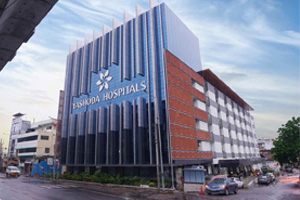
Patients who want to undergo craniotomy surgery should pick Yashoda Hospitals as their first choice due to the presence of combined state-of-the-art neuro robotic technology, a highly experienced surgical team, and specialized care infrastructure. Also, Yashoda Hospitals provides the patients access to an expert medical team, ROSA ONE® Brain Robotic Technology, Intraoperative 3T MR, Specialized Awake Craniotomy, and Complete Critical Care, with  NABH and NABL accreditation and safety.

Enquire now

Why Choose Yashoda Hospitals

Yashoda Hospitals is committed to providing world-class treatment for patients from across the globe. With the unique combination of state-of-the-art technology, intuitive care, and clinical excellence, we are the healthcare destination for thousands of international patients in India.

blank
Comprehensive Care

On the journey to good health, we understand that it is important for you to feel at home. We plan out all aspects of your trip.

blank
Expert Doctors

Experienced specialists perform non-invasive and minimally invasive surgeries to provide the best treatment for international patients.

blank
Cutting-Edge Technology

Our hospitals are equipped with advanced technology to perform a wide range of procedures and treatments.

blank
Clinical Excellence

We deliver excellence by delivering quick and efficient healthcare and through pioneering research that helps all our future.patients.

All major insurance are accepted for
Craniotomy Surgery Treatment


Our Locations

  • Malakpet Location

    Malakpet

  • Somajiguda Location

    Somajiguda

  • Secunderabad Location

    Secunderabad

  • Hitec City Location

    Hitec City

FAQ's

Yes, craniotomy is a serious surgery; it is a highly skilled brain surgery in which a small part of the skull is removed for the time being to allow surgeons a direct entrance to the brain. After the process is completed, the bone is cautiously placed back and fixed. This modern method of surgery potrays a important part in advanced neurosurgery, and has helped in changing the way complicated brain problems are treated. Any surgical method that involves the brain requires remarkable accuracy and skillfulness. Craniotomy is executed by highly skilled neurosurgeons using modern instruments, high-powered microscopes, and modern imaging methods to make sure of maximum precision and protection.

Each individual’s recovery after craniotomy surgery is different based on the patient’s overall health. The disease that is being treated and the complexity of the technique. Most patients stay inside the hospital for about 5 to 10 days after surgery for close observation and recovery right after the procedure. Usually, it might take 4 to 8 weeks for the surgical cut and skull bone to heal, while full recovery, strength regaining, and return to normal daily activities can take 2 to 3 months or even longer.

Craniotomy has a high rate of success, reported to be around 90%-98%, but it differs depending on the condition that is being treated, the patient’s overall health, and how complex the procedure is.

The patients are normally not allowed to drive immediately after undergoing a craniotomy surgery. The brain requires time to heal. Because of this, doctors typically suggest avoiding driving for at least 4 to 6 weeks, or longer depending on the condition of the patient.

After undergoing the craniotomy procedure, the patients should avoid heavy lifting, activities that cause straining, and unnecessary bending or straining, as this process has been known to increase pressure inside the brain. The patient should also avoid driving, smoking, and alcohol until the doctor allows. The patients should also avoid scratching and touching the surgical wound.

Terms and conditions

All the cost and surgery information provided on the website is primarily to enable the users to obtain a better understanding of Yashoda Hospitals and the medical services provided by it, and the information thereby provided is subject to changes and modifications as and when required without any prior notice. Actual cost of the surgery details would be confirmed at the hospital after doctor consultation only.

Yashoda Hospitals does not represent or endorse the accuracy, completeness or reliability of any information displayed, uploaded or distributed through the website. The usage of the content implies that you acknowledge that any reliance upon any such statement or information shall be at your own risk. Yashoda Hospitals does not resume any responsibility related to the accuracy of information provided or made available. None of the individual developers, system operators, third-party contributors and management of Yashoda Hospitals or anyone else connected to Yashoda Hospitals can be held responsible for the results or consequences incurred due to any reliance being placed or adopt any of the information presented on this website.

Book an appointment
in 2 minutes