
Select Page

Get a Free Second Opinion

Colorectal Surgery Cost In India

– Providing 30+ years of world-class healthcare to diverse communities.
– 600+ specialists across 62 medical specialties providing expert care
– Advanced technology and procedures for top-quality patient care
– Minimally invasive procedures for faster recovery and comfort
– Advanced surgical suites and ICUs for critical care

Colorectal surgery focuses on the identification and surgical management of diseases that affect the colon, rectum, and anus, which are the vital parts of the digestive system in charge of processing and getting rid of waste. With developments in medical science, this field has evolved greatly, offering safe, more accurate, and minimally invasive methods that improve patients’ overall comfort and results. From classic open surgery to laparoscopic and robotic-assisted methods, colorectal surgery nowadays is planned to decrease pain, cause less scarring, and support a faster recovery. A healthy colorectal system plays a very important role in the overall health of an individual, regulating digestion, nutrient absorption, and day-to-day comfort. When problems arise in the colorectal system, they can cause disturbances in normal body functions and greatly affect the quality of life. The objective of colorectal surgery is to bring back normal functioning, reduce discomfort, and tackle underlying issues with precision and care. Modern surgeries give importance to patient safety, hygiene, and long-term outcomes, along with giving high success rates. In recent times, patients have become very aware of their colorectal health, and they seek on-time medical attention, which leads to faster diagnosis and more effective results. Hospitals and specialized colorectal care centers now have access to advanced infrastructure, highly skilled surgical teams, and specific treatment plans for each patient to ensure a smooth treatment journey. With a strong focus on transformation and patient-centric care, colorectal surgery continues to play an important role in enhancing a healthy digestive system and helps patients to return to a more comfortable and active life.

What is the cost of colorectal surgery in India?

The cost of colorectal surgery in India ranges from 20,000 Rs to 1,00,000 Rs for minor methods, 1,00,000 Rs to 3,00,000 Rs for standard methods, and 3,00,000 Rs to 6,00,000 Rs + for advanced/robotic/cancer treatments. The tabular column below provides a summary of approximate cost ranges for all recognized types of Colorectal surgery in India.

Type of colorectal surgery  Cost in India 
Hemorrhoidectomy (piles)  35,000 Rs to 50,000 Rs 
Fistulotomy  40,000 Rs to 1,00,000 Rs 
Fissure surgery  30,000 Rs to 70,000 Rs 
Polypectomy  20,000 Rs to 60,000 Rs 
Colectomy (partial/total)  70,000 Rs to 1,70,000 Rs 
Hemicolectomy  80,000 Rs to 2,00,000 Rs 
Sigmoidectomy  80,000 Rs to 2,00,000 Rs
Segmental resection  80,000 Rs to 2,00,000 Rs
Rectal resection  1,50,000 Rs to 3,50,000 Rs 
Proctectomy  1,50,000 Rs to 3,50,000 Rs 
Abdominoperineal resection (APR) 2,50,000 Rs to 5,00,000 Rs 
Low anterior resection (LAR) 2,50,000 Rs to 5,00,000 Rs 
Total proctocolectomy  2,50,000 Rs to 5,50,000 Rs 
Ileostomy/Colostomy  1,00,000 Rs to 3,00,000 Rs 
Ileoanal pouch (J-pouch)  3,00,000 Rs to 6,00,000 Rs 
Hartmann’s procedure  1,50,000 Rs to 4,00,000 Rs 
Rectopexy  1,50,000 Rs to 3,50,000 Rs 
Diverticular surgery  1,50,000 Rs to 3,50,000 Rs 
Strictureplasty 1,50,000 Rs to 3,00,000 Rs
Transanal endoscopic microsurgery (TEM) 2,00,000 Rs to 4,00,000 Rs 
Pelvic exenteration  4,00,000 Rs to 6,00,000 Rs 
Laparoscopic colorectal surgery  1,50,000 Rs to 3,50,000 Rs 
Open colorectal surgery  1,00,000 Rs to 2,50,000 Rs 
Robotic colorectal surgery  3,50,000 Rs to 6,00,000 + Rs 


Enquire now

Who needs colorectal surgery?

  • Individuals with colorectal cancer require colorectal surgery (that is, patients with tumors in the colon and rectum), along with people who deal with benign tumors or growths in the colon or rectum region.
  • The patients who are facing issues from large or symptomatic colon polyps require colorectal surgery.
  • Individuals with serious or recurring hemorrhoids need colorectal surgery for complete relief.
  • Individuals with anal fissures that do not heal with medicines ultimately need colorectal surgery.
  • Colorectal surgery is also required in patients who are diagnosed with an anal fistula or recurring abscess.
  • The patients with inflammatory bowel diseases like ulcerative colitis and Crohn’s disease also require colorectal surgery.
  • Individuals suffering from diverticular disease (especially complex diverticulitis) also need colorectal surgery.
  • People who suffer from obstruction in their intestine and bowel blockage need colorectal surgery.
  • Patients with rectal prolapse, which is the rectum slipping out, also require colorectal surgery.
  • Individuals with long-term constipation issues due to structural problems ultimately need colorectal surgery.
  • Individuals require colorectal surgery when they experience fecal incontinence, also called loss of control over their bowels.
  • If the patient has a hole in the intestine, which is also known as colorectal perforation, then they require colorectal surgery to correct it.
  • The patients dealing with genetic colorectal issues (that the patient has been dealing with since birth) also need colorectal surgery.
  • The patients who deal with trauma or injury to the colon or rectum also require colorectal surgery.
  • The patients who have suffered from radiation-induced damage to the bowel also require colorectal surgery.
  • The patients who deal with strictures (that is, narrowing of their intestines) also require colorectal surgery.
  • Patients who need stoma creation, which is a surgical method in which an opening is made on the abdomen to allow waste to exit the body into an external bag, because the normal route via the rectum is not possible or needs to rest.
  • The patients or individuals with recurring infections in the anus and rectum areas also need colorectal surgery.

Enquire now

Types of treatment for colon, rectum, and anus issues

  • Modifications In Diet And Lifestyle: The patients dealing with colorectal issues require a high-fiber diet, adequate hydration, and regular physical activity to help manage bowel movements, decrease strain during defecation, and improve overall digestive health. These changes are mostly the first line of management for many colorectal diseases.
  • Medicines: Various medicines are used to treat colorectal issues based on the disease condition. Laxatives and stool softeners ease constipation, whereas anti-diarrheal drugs control loose motions. Anti-inflammatory medicines decrease inflammation in the intestine, and antibiotics help in treating infections. These provide great relief from symptoms and control the disease progression.
  • Topical and Local Treatments: Creams, ointments, and suppositories are normally used for diseases like hemorrhoids and fissures. They assist in decreasing pain, swelling, and irritation. Sitz baths (that is, sitting in warm water) provide soothing relief and promote healing in the anus region.
  • Minimally Invasive techniques: Treatment methods like rubber band ligation, sclerotherapy, infrared coagulation, and laser therapy are useful for providing therapy to diseases like piles and fistula. These methods are less painful, require minimal hospital stay, and offer quick recovery in comparison to traditional surgery.
  • Endoscopic treatments: Colonoscopy-based methods, like polyp removal, allow doctors to provide therapy for some diseases without external cuts. These are normally used for early-stage growths and assist in preventing problems.
  • Pelvic floor treatment: Biofeedback treatment and specialized exercises provide strength to the pelvic muscles, which improves bowel control and helps in managing conditions like long-term constipation and fecal incontinence.
  • Advanced medical treatments: Biologic treatment, immunotherapy, and targeted treatments are used in specific conditions like inflammatory bowel disease or colorectal cancers. These treatments work at a cellular level to control disease activity and decrease the need for surgery.
  • Supportive and Holistic Approaches: Stress management, yoga, and the use of probiotics can support gut health and improve symptoms. These methods improve overall well-being and complement other treatments.

Enquire now

Factors influencing the cost of colorectal surgery

  • Type of surgery
  • Surgical technique used
  • Hospital and infrastructure
  • Surgeon’s expertise and experience
  • City and location
  • Seriousness and complexity of the condition
  • Diagnostic tests and investigations
  • Duration of hospital stay
  • Post-surgical care and medications
  • Use of consumables and equipment
  • Insurance coverage
  • Complications (If any)

Enquire now

Types of colorectal surgery

  • Hemorrhoidectomy (Piles Surgery): Is a technique involving the surgical removal of swollen hemorrhoidal veins in the rectum or anus. It provides long-term relief from pain, bleeding, and discomfort.
  • Fistulotomy: Is a procedure to open and clean the anal fistula tract. It assists in proper healing and prevents recurring infections.
  • Fissure Surgery (Lateral Sphincterotomy): Is a procedure that involves cutting a small portion of the anal muscle to provide relief from pressure. It improves the healing of long-term anal fissures.
  • Polypectomy: Is a procedure of removing abnormal polyps from the colon or rectum using a colonoscope. It helps in the prevention of cancer spread.
  • Colectomy (Total/Partial): Is the surgical removal of the entire colon. It is normally performed for cancer or in case of serious bowel disease.
  • Hemicolectomy: Is a procedure where either the right or left side of the colon is removed. The remaining sections are then reconnected for normal bowel function.
  • Sigmoidectomy: Is a procedure where the removal of sigmoid colon (that is, the lower part of the colon) takes place. It is mostly done for diverticular disease or cancer.
  • Segmental Resection: Is where only the diseased portion of the intestine is removed. The healthy ends are then joined together.
  • Rectal Resection: Involves the removal of part or all of the rectum. It is mainly done for treating rectal tumors or any serious disease.
  • Proctectomy: Is a method that involves the surgical removal of the rectum, either partially or completely. It might need reconstruction or a stoma.
  • Abdominoperineal Resection (APR): Involves removal of the rectum and anus through abdominal and perineal cuts. A permanent colostomy is usually needed.
  • Low Anterior Resection (LAR): Involves the removal of the upper rectum, while preserving the anus. The colon is reconnected to maintain normal bowel passage.
  • Total Proctolectomy: Is complete removal of both colon and rectum. Waste is diverted through a stoma or internal pouch.
  • Ileostom/Colostomy (Stoma Creation): Is a process of creating an opening on the abdomen to pass the waste into a bag, it might be temporary or permanent, depending on the disease condition.
  • Ileoanal pouch (J-pouch Surgery): An internal pouch that is created from the small intestine and is connected to the anus. It allows near-normal bowel movement after removal of the colon.
  • Hartmann’s method: Is removal of a diseased colon segment with creation of a temporary colostomy. Reconnection might be done later.
  • Rectopexy: Surgical correction of rectal prolapse by securing the rectum in place. It restores normal anatomy and functioning.
  • Diverticular Disease Surgery: Involves the removal of the affected portion of the colon with diverticula. It prevents problems like infection or rupture.
  • Strictureplasty: Is widening of the narrowed intestinal pars without removing them. It helps in maintaining the length of the bowel.
  • Transanal Endoscopic Microsurgery (TEM): Is a minimally invasive removal of rectal tumors through the anus. It avoids larger cuts and quickens the process of recovery.
  • Pelvic Exenteration: Is an extensive surgery that removes multiple pelvic organs in advanced disease. It is performed in complicated cancer cases.
  • Laparoscopic Colorectal Surgery: Is a minimally invasive surgery that uses small cuts and a camera. It results in less pain and quicker recovery.
  • Open Colorectal Surgery: Is a traditional surgery with a large cut for direct access. It is normally used in complicated cases or advanced cases.
  • Robotic Colorectal Surgery: Is a modern method that uses robotic help for accuracy. It improves control, precision, and recovery results.

Enquire now

Post-Operative Care For Colorectal Surgery

  • The patient should follow all the instructions from the doctor carefully.
  • They should take prescribed medicines like pain relief and antibiotics on time.
  • The patient should keep the surgical wound clean and dry, and change the dressings as advised by their healthcare provider.
  • The patient should also maintain a well-balanced, high-fiber diet as suggested and drink plenty of water to prevent the risk of dehydration.
  • The patient should first start with light foods and then normally return to a normal diet, and avoid spicy, oily, and heavy foods at the start.
  • The patient should walk regularly to improve blood circulation and prevent diseases, and avoid heavy lifting as well as stressful activities.
  • The patient should also follow proper bowel habits, and should not strain during bowel movements, and use stool softeners as prescribed.
  • The patient should monitor for signs of infection and report any unusual pain or bleeding to the doctor immediately.
  • The patient should take care of the stoma (if present) with proper hygiene and guidance, and learn stoma bag handling and maintenance correctly.
  • The patient should attend all the follow-up appointments and continue the recommended lifestyle modifications.
  • The patient should also try to get proper rest and sleep for quick healing, and avoid smoking and alcohol during recovery.

Enquire now

Making An Informed Decision On Colorectal Surgery

Making an informed decision about colorectal surgery involves the patient understanding their diagnosis and the need for the procedure. The patient should discuss all available treatment options that include benefits and possible risks with their doctor. The patient should also consider the surgeon’s experience, hospital facilities, and success rates before making a decision. The patient should examine the expected recovery time, changes in lifestyle, and long-term results. They should also review the overall costs, insurance coverage, and financial implications carefully. The patient should take their time to ask questions and get clarification to help themselves in choosing confidently, thereby ensuring better treatment.

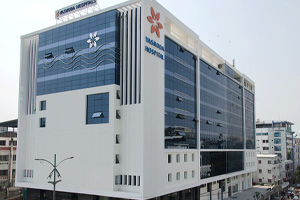
Yashoda Hospitals should be the first choice for patients to undergo colorectal surgery, as it ensures access to experienced surgeons and advanced methods like laparoscopic and robotic procedures for accurate treatment. Yashoda Hospitals provides complete care for all colorectal diseases under one roof with a multidisciplinary team approach. Yashoda Hospitals is also equipped with state-of-the-art diagnostic facilities and a strong focus on minimally invasive techniques, as patients benefit from precise treatment, quick recovery, and specific care throughout their journey.

Enquire now

Why Choose Yashoda Hospitals

Yashoda Hospitals is committed to providing world-class treatment for patients from across the globe. With the unique combination of state-of-the-art technology, intuitive care, and clinical excellence, we are the healthcare destination for thousands of international patients in India.

blank
Comprehensive Care

On the journey to good health, we understand that it is important for you to feel at home. We plan out all aspects of your trip.

blank
Expert Doctors

Experienced specialists perform non-invasive and minimally invasive surgeries to provide the best treatment for international patients.

blank
Cutting-Edge Technology

Our hospitals are equipped with advanced technology to perform a wide range of procedures and treatments.

blank
Clinical Excellence

We deliver excellence by delivering quick and efficient healthcare and through pioneering research that helps all our future.patients.

All major insurance are accepted for
Colorectal Surgery Cost In India Treatment


Our Locations

  • Malakpet Location

    Malakpet

  • Somajiguda Location

    Somajiguda

  • Secunderabad Location

    Secunderabad

  • Hitec City Location

    Hitec City

FAQ's

Colorectal surgery refers to surgical methods performed on the colon, rectum, and anus to provide therapy for conditions like infections, blockages, inflammatory diseases, and cancer. Its objective is to remove the diseased tissue, restore the normal bowel function, and improve overall digestive health.

Yes, in some early and specific cases, colorectal cancer might be managed with treatment like chemotherapy, radiation therapy, targeted therapy, or immunotherapy. However, surgery remains the most effective and commonly used treatment for the complete removal of cancer.

Colorectal surgery is performed using various methods based on the disease condition, which might involve removing a portion of the colon or rectum and reconnecting the healthy ends. Procedures can be done through open surgery, laparoscopic, or robotic-assisted methods that ensure precision and better recovery outcomes.

The duration of colorectal surgery ranges from 2 to 6 hours, based on how complex the case is, the type of procedure, and the surgical approach used.

The patient's recovery time after colorectal surgery involves staying in the hospital from 3 to 7 days, with initial recovery taking 2 to 4 weeks, and full recovery taking 4 to 8 weeks.

The success rate of colorectal surgery depends on how advanced the disease condition is, the outcomes, overall health, and treatment plan. The general success rate is 85% to 95% in most cases, and in early-stage colorectal cancer, it has a very high cure rate, which is over 90%

Terms and conditions

All the cost and surgery information provided on the website is primarily to enable the users to obtain a better understanding of Yashoda Hospitals and the medical services provided by it, and the information thereby provided is subject to changes and modifications as and when required without any prior notice. Actual cost of the surgery details would be confirmed at the hospital after doctor consultation only.

Yashoda Hospitals does not represent or endorse the accuracy, completeness or reliability of any information displayed, uploaded or distributed through the website. The usage of the content implies that you acknowledge that any reliance upon any such statement or information shall be at your own risk. Yashoda Hospitals does not resume any responsibility related to the accuracy of information provided or made available. None of the individual developers, system operators, third-party contributors and management of Yashoda Hospitals or anyone else connected to Yashoda Hospitals can be held responsible for the results or consequences incurred due to any reliance being placed or adopt any of the information presented on this website.

Book an appointment
in 2 minutes