
Select Page

Get a Free Second Opinion

2D Echo Cost in Hyderabad

  • – Providing 30+ years of world-class healthcare to diverse communities.
  • – 600+ specialists across 62 medical specialties providing expert care
  • – Advanced technology and procedures for top-quality patient care
  • – Minimally invasive procedures for faster recovery and comfort
  • – Advanced surgical suites and ICUs for critical care

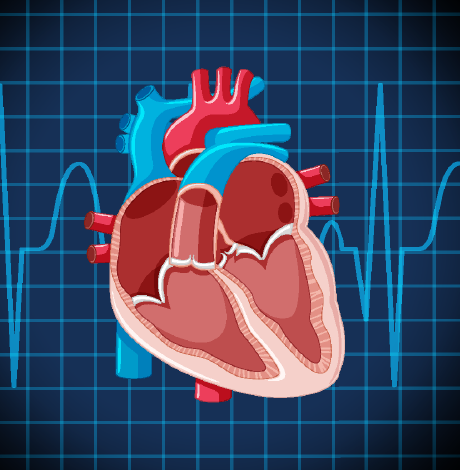
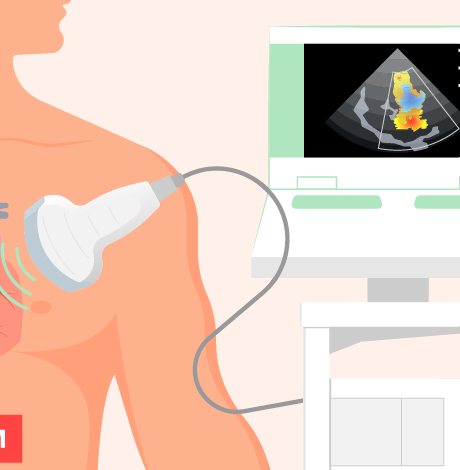
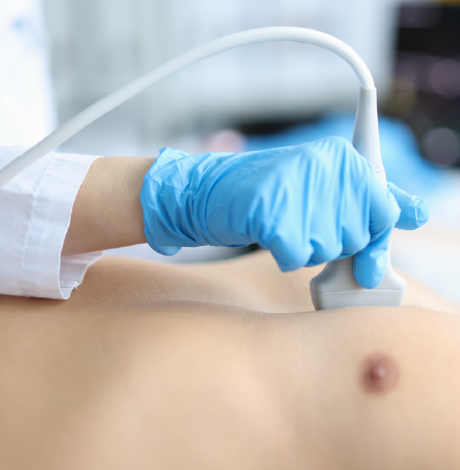
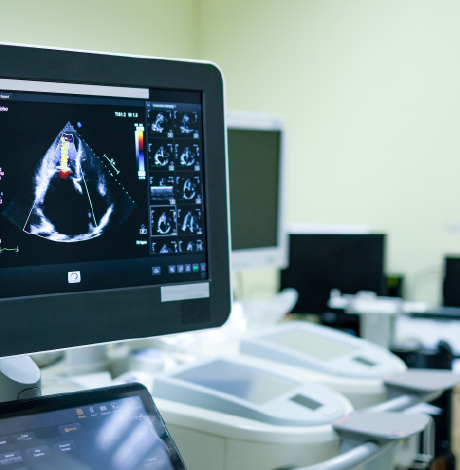
A 2D Echo (two-dimensional echocardiography) is a non-invasive heart imaging test that uses harmless ultrasound sound waves to create clear, real-time moving images of the heart. During the scan, a handheld probe is placed on the chest, which sends sound waves that bounce off the heart structures and return as detailed pictures on a screen. These images enable doctors to visualize the heart’s chambers, walls, valves, and major blood vessels as they move, allowing them to understand how the heart is functioning at that precise moment. The test does not involve radiation, injections, or pain, making it safe for people of all ages, including elderly patients and those who require repeated evaluations.

A 2D Echo plays a crucial role in diagnosing and monitoring a wide range of heart conditions. It helps assess the heart’s pumping strength, detect valve narrowing or leakage, identify abnormal thickening or weakening of the heart muscle, and reveal fluid collection around the heart. It is commonly recommended for symptoms such as breathlessness, chest discomfort, palpitations, leg swelling, or heart murmurs, as well as for routine follow-up in known cardiac patients. By providing accurate, visual information about heart structure and function, a 2D Echo supports timely diagnosis, effective treatment planning, and long-term cardiac care with clarity and confidence.
What is the Cost of a 2D Echo in Hyderabad?

In Hyderabad, the cost of a 2D Echo (Echocardiography) varies depending on the type of echocardiographic study performed, the use of Doppler or stress techniques, the cardiologist’s expertise, and the hospital or diagnostic centre chosen. Basic 2D Echo tests are generally affordable, while advanced or specialised studies cost more.

Enquire now

What are the indications in the 2d Echo that are used?

  1. Evaluation of breathlessness, chest pain, palpitations, or fainting:
    A 2D Echo helps determine whether these symptoms are caused by heart-related problems such as poor pumping function, valve disease, or abnormal heart rhythms.
  2. Assessment of heart murmurs:
    It identifies the underlying cause of abnormal heart sounds by visualising valve structure and movement, helping confirm whether the murmur is innocent or pathological.
  3. Detection of valve narrowing or leakage:
    The test shows how well the heart valves open and close, allowing doctors to diagnose stenosis (narrowing) or regurgitation (leakage) and assess severity.
  4. Measurement of heart pumping function (ejection fraction):
    A 2D Echo accurately measures how much blood the heart pumps with each beat, which is essential for diagnosing and managing heart failure.
  5. Diagnosis of cardiomyopathy and heart muscle disorders:
    It evaluates abnormal thickening, dilation, or stiffness of the heart muscle, helping classify different types of cardiomyopathy.
  6. Assessment after a heart attack or suspected ischemic heart disease:
    The test detects damaged or weak areas of the heart muscle following a heart attack and helps assess overall recovery and risk.
  7. Detection of congenital heart defects:
    A 2D Echo identifies structural abnormalities present from birth, such as holes between heart chambers or abnormal blood flow patterns.
  8. Identification of fluid around the heart (pericardial effusion):
    It detects fluid accumulation in the sac surrounding the heart and helps assess whether it is affecting heart function.
  9. Detection of clots, tumours, or abnormal masses inside the heart:
    The scan can visualise abnormal growths or blood clots that may increase the risk of stroke or obstruct blood flow.
  10. Evaluation of infective endocarditis:
    A 2D Echo helps detect infection-related growths on heart valves and assess associated valve damage.
  11. Monitoring effects of long-standing high blood pressure:
    It shows changes such as thickened heart walls or enlarged chambers caused by chronic hypertension.
  12. Pre-operative cardiac evaluation before major surgery:
    The test ensures the heart is fit for surgery by identifying hidden cardiac risks.
  13. Follow-up and monitoring of known heart disease or heart failure:
    Regular 2D Echo studies help track disease progression, response to treatment, and guide long-term management.

Procedure of 2d Echo

1. Patient lies comfortably on an examination table, usually on the left side:
The patient is positioned on the left side to bring the heart closer to the chest wall. This position improves the clarity of ultrasound signals and allows the cardiologist to capture detailed and accurate images of the heart structures.
2. Upper chest is exposed for proper probe placement:
Clothing, jewellery, or accessories covering the chest are removed so the probe can make direct contact with the skin. This ensures uninterrupted transmission of ultrasound waves and avoids image distortion.
3. Ultrasound gel is applied to the chest:
A clear, water-based gel is spread over specific areas of the chest. The gel removes trapped air between the skin and the transducer, allowing sound waves to pass smoothly and enhancing image quality.
4. A handheld transducer (probe) is placed on the chest and moved gently:
The examiner gently moves the probe over different positions on the chest. Each angle provides a unique view of the heart, helping visualise all chambers, valves, and major blood vessels.
5. Sound waves create real-time images of the heart on a monitor:
The transducer sends ultrasound waves into the chest, which bounce back from the heart tissues. These returning signals are converted into live, moving images that display the heart’s activity in real time.
6. Heart chambers, valves, and wall motion are examined:
The cardiologist carefully evaluates the size and shape of the heart chambers, the thickness of the heart walls, valve movement, and the overall coordination of heart contractions.
7. Doppler imaging may be used to assess blood flow and valve function:
Colour and spectral Doppler techniques measure the speed and direction of blood flow within the heart. This helps identify valve leaks, narrowing, abnormal pressures, and disturbed blood flow patterns.
8. Patient may be asked to change position or hold breath briefly:
Simple instructions, such as turning slightly or holding the breath for a few seconds, help minimise movement and improve the quality of certain images.
9. Test duration is usually 20–30 minutes:
The duration depends on the type of echo being performed and the complexity of the heart condition under evaluation.
10. The procedure is painless, non-invasive, and radiation-free:
No injections, cuts, or radiation exposure are involved, making the test completely safe and comfortable for patients of all ages.
11. Gel is wiped off after completion:
Once imaging is complete, the gel is cleaned from the chest, leaving the skin clean and comfortable.
12. Patient can resume normal activities immediately:
There is no recovery or downtime required, and patients can return to their daily routines, including work or travel, right after the test.

Types of 2d Echo (Echocardiography)

1. Transthoracic Echocardiography (TTE)
This is the most common type of 2D Echo, where the probe is placed on the chest wall to obtain images of the heart. It is used to assess heart chambers, valves, wall motion, and overall heart function in routine and emergency evaluations.

2. 2D Echo with Colour Doppler
This type combines standard 2D imaging with colour flow mapping to evaluate blood flow through the heart and valves. It helps detect valve leaks, narrowing, abnormal blood flow, and pressure changes within the heart.

3. Spectral Doppler Echocardiography
Spectral Doppler measures the speed and direction of blood flow in numerical waveforms. It is particularly useful for accurately assessing valve severity, pressure gradients, and cardiac output.

4. Stress Echocardiography
This test evaluates heart function before and after physical exercise or medication-induced stress. It is mainly used to detect coronary artery disease and assess how well the heart muscle performs under stress.

5. Transesophageal Echocardiography (TEE)
In this specialised type, a probe is passed through the food pipe (oesophagus) to obtain highly detailed images of the heart. It is used when clearer views are required, such as for detecting clots, valve infections, or prosthetic valve problems.

6. Contrast Echocardiography
A safe contrast agent is injected into a vein to improve image clarity. This helps in better visualisation of heart chambers and identification of structural abnormalities or weak heart muscle segments.

7. Paediatric / Congenital Echocardiography
This specialised echo is performed in infants and children to diagnose and monitor congenital heart defects and developmental abnormalities of the heart.

Enquire now

Side Effects of 2d Echo (Echocardiography)

A 2D Echo is a very safe, non-invasive test and generally does not cause side effects. In some cases, patients may experience mild and temporary effects such as slight chest discomfort due to gentle pressure from the probe, especially over sensitive areas. The ultrasound gel applied to the chest may feel cold initially, but this sensation lasts only a few seconds. Rarely, mild skin redness or irritation can occur in individuals with sensitive skin, which settles on its own. A few patients may feel temporarily tired after the test, particularly if they were anxious or already unwell. In specialised procedures like transesophageal echocardiography (TEE), mild throat discomfort or difficulty swallowing may be noticed for a short period. During stress echocardiography, exercise or medications used may cause brief symptoms such as breathlessness, dizziness, or muscle fatigue, which usually resolve soon after the test.

Benefits of the 2d Echo (Echocardiography)

  • Non-invasive and painless test
  • No radiation exposure
  • Safe for all age groups
  • Provides real-time heart images
  • Evaluates heart chambers and valves
  • Measures heart-pumping function
  • Detects early heart abnormalities
  • Assesses blood flow using Doppler
  • Helps guide treatment decisions
  • Useful for diagnosis and follow-up
  • Quick procedure with no downtime
  • Cost-effective and widely available

Factors Influencing The Cost of 2d Echo (Echocardiography)

  • Type of 2D Echo performed (basic, Colour Doppler, Stress Echo, or TEE)
  • Use of Doppler or advanced imaging techniques
  • Cardiologist’s expertise and reporting quality
  • Hospital or diagnostic centre infrastructure
  • Location of the centre within the city
  • Inclusion of specialist consultation fees
  • Emergency or bedside (portable) echo services
  • Use of contrast agents, if required
  • Patient category (adult, paediatric, or congenital studies)
  • Insurance coverage versus cash payment
  • Preventive health packages or bundled check-ups
  • Need for follow-up or repeat examinations.

Enquire now

Making An Informed Decision On 2d Echo (Echocardiography)

2D Echo (Echocardiography) is a non-invasive imaging technique used to evaluate the heart’s structure, movement, and pumping function using ultrasound waves. It is widely employed for assessing heart valve disorders, heart failure, cardiomyopathy, congenital heart disease, and fluid around the heart. While a 2D Echo provides excellent real-time visualisation of cardiac anatomy and function, it does not directly image coronary arteries in detail and must be interpreted in a clinical context. The findings reflect heart structure and blood flow patterns and require expert cardiologist interpretation rather than serving as a standalone diagnosis. Understanding its benefits and limitations helps patients make informed decisions about undergoing echocardiography.
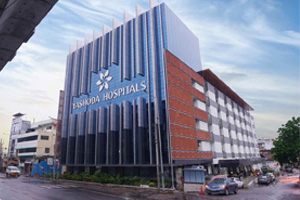
Yashoda Hospitals is a preferred choice for 2D Echo due to its advanced cardiac sciences department and comprehensive heart care services. With experienced cardiologists, state-of-the-art echocardiography equipment, and integrated diagnostic and treatment facilities, the hospital ensures accurate evaluation and patient-centred cardiac care under one roof.

Insurance Assistance for 2d Echo treatment

  • Transparent Pricing
  • Cost Estimation
  • Billing Support
  • Insurance & TPA Assistance

Get Insurance Assistance

Factors Affecting
Factors Affecting

Free Second Opinion for 2d Echo treatment

If you’ve been advised of the 2d Echo treatment, get a free second opinion from our experts.

Our experienced surgeons will review your case, providing valuable insights and recommendations to help you make informed decisions about your health.

Get Free Second Opinion

Why Choose Yashoda Hospitals

Yashoda Hospitals in Hyderabad, India, is a leading option for 2d Echo treatment due to its top-notch team, cutting-edge technology, and comprehensive care.

blank
Comprehensive Care

Our patients trust Yashoda Hospitals for 2d Echo treatment because its comprehensive care focuses on personalized treatment plans, minimizing complications and promoting faster recovery.

blank
Expert Doctors

Our team of experienced general surgeons delivers precise surgical care, fostering patient confidence in achieving successful outcomes.

blank
Cutting-Edge Technology

The Centre for General Surgery at Yashoda Hospitals offers state-of-the-art facilities and the latest technologies.

blank
Clinical Excellence

Yashoda Hospitals is recognised as the Best Hospital for 2d Echo treatment Cost In India , offering exceptional surgical care services.

All major insurance are accepted for
2D Echo Cost in Hyderabad Treatment


Our Locations

  • Malakpet Location

    Malakpet

  • Somajiguda Location

    Somajiguda

  • Secunderabad Location

    Secunderabad

  • Hitec City Location

    Hitec City

FAQ's

Yes, it is very safe, painless, and does not use radiation.

Usually no special preparation is needed; you can eat and take medicines unless advised otherwise.

The procedure typically takes about 20–30 minutes.

No, the test is painless; you may only feel mild pressure from the probe.

It can detect valve disease, heart failure, cardiomyopathy, congenital defects, fluid around the heart, and clots.

An ECG records the heart’s electrical activity, while a 2D Echo shows the heart’s structure and movement.

It can identify heart muscle damage after a heart attack, but it cannot directly show blocked coronary arteries.

Doppler may be included if required to assess blood flow and valve function.

Reports are usually available on the same day or within 24 hours.

Yes, it can be safely repeated for follow-up and monitoring.

Yes, it is completely safe as it uses ultrasound waves only.

Side effects are rare and usually limited to mild, temporary discomfort.

Yes, you can return to your routine immediately after the procedure.

Terms and conditions

All the cost and surgery information provided on the website is primarily to enable the users to obtain a better understanding of Yashoda Hospitals and the medical services provided by it, and the information thereby provided is subject to changes and modifications as and when required without any prior notice. Actual cost of the surgery details would be confirmed at the hospital after doctor consultation only.

Yashoda Hospitals does not represent or endorse the accuracy, completeness or reliability of any information displayed, uploaded or distributed through the website. The usage of the content implies that you acknowledge that any reliance upon any such statement or information shall be at your own risk. Yashoda Hospitals does not resume any responsibility related to the accuracy of information provided or made available. None of the individual developers, system operators, third-party contributors and management of Yashoda Hospitals or anyone else connected to Yashoda Hospitals can be held responsible for the results or consequences incurred due to any reliance being placed or adopt any of the information presented on this website.