



Get a Free Second Opinion


Best Kidney Transplant Hospital in Hyderabad/India
- Internationally Accredited Kidney Transplant Surgeons
- Expertise in Pediatric & Neonatal Kidney Treatments
- Performed Peritoneal Dialysis in a 3-day Old Baby
- CAPD Training Facilities for End-stage Renal Failure Patients
- First in India to Perform Continuous Renal Replacement Therapy
- Treating More than 15 National & International Transplant Cases per Month
- Highly Successful Kidney Transplant Surgeries in its Region
Meet Our Expert Kidney Transplant Team

Dr. Rajasekara Chakravarthi Madarasu
MBBS, MD (Internal Medicine), DNB (Nephrology)Senior Consultant Nephrologist, Clinical Director & HOD of Nephrology and Transplant Services

Dr. Penmetsa Vijay Varma
MD (General Medicine), DM (Nephrology)Consultant Nephrologist

Dr. Jaswanth Challa
MD (Gen. Med), DM (Nephrology) JIPMERConsultant Nephrologist

Dr Mahesh Kota
MD, IDCCM, DNB (Nephro)Consultant Nephrologist

Dr. Muralinath Vukkadala
MBBS, MD (Internal Medicine), DrNB (Nephrology)Consultant Nephrologist & Renal Transplant Physician In-Charge, Renal Transplant Unit

Dr. Sashi Kiran A
MD (Pediatrics), DM (Nephrology)Consultant Nephrologist

Dr. G. Sudhakar
MD, DM (Nephrology)Consultant Nephrologist

Dr. Chetan Veeramaneni
MBBS, DNB (Gen Med), DM Nephrology (Osm), F. Diab (UK)Consultant Nephrologist & Renal Transplant Physician

Dr. V. Suresh Babu
MD, DM (Nephrology)Consultant Nephrologist

Dr P.S. Vali
MD (Gen Med), DM (Nephro) Gold MedallistSr Consultant Nephrologist & Transplant Physician

Dr. Mamidi Pranith Ram
MBBS, MD, DM (Nephrology)Consultant Nephrologist and Renal Transplant Physician

Dr. Tarun Kumar Saha
MD, DNB (Internal Medicine), DM (Nephrology) (PGI Chandigarh)Sr. Consultant Nephrologist & Transplant Physician

Dr. Dilip M Babu
MD (Internal Medicine), DM (Nephrology)Sr. Consultant Nephrologist and Transplant Physician

Dr. Vamsi Krishna Nagalla
MD (NIMS), DM (NIMS)Consultant Nephrologist and Transplant Physician
Understanding When a Kidney Transplant Becomes Essential
Kidneys process about 180 litres of blood and remove almost 2 litres of waste every day. Kidney diseases and injuries can affect how kidneys function. Over a period of time, untreated kidney diseases can result in a slow and silent decline in kidney function. Some of the diseases, such as diabetic kidney disease, blood pressure, glomerular diseases, congenital kidney diseases, trauma, or poisoning, can cause damage to the nephrons, the filtering units of kidneys, and thus reduce the kidney function or renal function.
Renal function or kidney function is intact when both the kidneys are working efficiently, as measured by the estimated glomerular filtration rate (eGFR). eGFR is the measure of the percentage of kidney function that is available. Rarely, a small or mild decline (30 to 40%) is noticed even in normal individuals. People with reduced kidney function usually have an associated kidney disease, and there are chances of both of them worsening with age. Kidney diseases and decline in kidney function are usually silent, until the decline is severe with an eGFR of 25%. Any further decline below 10–15% requires lifetime dialysis or renal transplant.
India boasts one of the highest kidney transplant success rates globally, with over 90% success reported for the approximately 7,500 kidney transplants performed annually. Currently, 90% of these transplants come from living donors, while only 10% are from deceased donors, typically patients who have passed away due to brain stroke or accidents.
Our kidney transplant centres are situated at 3 locations, offering a wide range of treatment options for kidney diseases with a success rate of 90%. Our kidney transplant program is aimed at providing quality services for patients with end-stage kidney disease and chronic kidney disease.
Recognising Kidney Disease
- Acute Kidney Injury (AKI) is a sudden drop in kidney function caused by infection, trauma, or an accident. In some cases, the damage to the kidneys can be reversed, which is why it’s also known as acute renal failure. However, if not treated, AKI can lead to permanent kidney damage.
- Chronic Kidney Disease (CKD): A long-term condition where the kidneys gradually lose their ability to function properly. This slow decline in kidney function often goes unnoticed until it’s advanced. In CKD, the kidney function, measured by eGFR, falls below 60 for three months or longer.
- End-Stage Renal Disease (ESRD): The final stage of chronic kidney disease, where the kidneys fail almost completely. The body can’t get rid of excess water and waste, leading to swelling in the hands and feet, a condition known as uremia. If left untreated, uremia can cause seizures or coma. At this stage, regular dialysis or a kidney transplant becomes critical for survival.
Comprehensive Care for End-Stage Kidney Disease
End-stage kidney disease (ESKD) is a severe and life-altering condition that requires expert, timely intervention to save lives. Our hospital offers comprehensive care personalized to meet the unique needs of patients with ESKD. From advanced dialysis options to successful kidney transplants, our multidisciplinary team is dedicated to providing compassionate, state-of-the-art care at every stage of your transplant journey.
Over the years, Yashoda Institute of Kidney Transplantation has successfully conducted 1,000+ transplants in patients from Telangana, Andhra Pradesh, and nearby states. Our kidney transplant institutes are situated at 3 locations, offering a wide range of treatment options for kidney diseases with a success rate of 90%, making it the best hospital for kidney transplant in Hyderabad.
For patients suffering from chronic kidney disease (CKD) or end-stage renal disease (ESRD), a kidney transplant remains as the best treatment option compared to dialysis. A kidney transplant provides a better quality of life and longer survival in such patients. Normally kidney transplant is done after matching the blood groups of the donor and the recipient and after checking the compatibility in order to avoid rejection and auto immune responses. When the recipient and donor have matching blood groups during a kidney transplant, it is called an ABO kidney transplant., which is the standard and preferred type of transplant because it reduces the risk of the recipient’s immune system rejecting the new kidney. When such a match is not possible, ABO-incompatible kidney transplantation is performed, involving pre- and post-transplant medical treatments to lower the body’s antibodies and prevent rejection.
ABO incompatible/ABOi Renal Transplant
In an ABO incompatible kidney transplant, blood groups of the donor and recipient are not compatible. There is a high chance of rejection of a new kidney immediately by the recipient’s body. The body would recognize the new kidney as a foreign body and cause a reaction that could be fatal. So, earlier only ABO compatible transplants were carried out. Advancements in the field of transplant medicine have led to the possibility of ABO-incompatible renal transplants. In which medical therapy is given to lower the levels of antibodies in the recipient’s body, which in turn lowers the risk of rejection. With these latest advances, ABOi transplants are now a safe and effective option, especially for patients who cannot find a compatible donor.
How is an ABO incompatible transplant done?
ABO incompatible transplant can be successfully performed by removing antibodies from the donor’s blood before transplantation and reducing the risk of rejecting the donor kidney. This process is known as desensitization and allows for a wider pool of donors to be considered for kidney transplants, ultimately increasing the chances of finding a suitable match for the recipient.
This treatment includes:
- Removing antibodies from your blood (Plasmapheresis/ Plasma Exchange).
- Injecting antibodies into your body that protect you from infections (intravenous immunoglobulin).
- Providing other medications (immunosuppressant) that protect your new kidney from antibodies.
In advanced medical centers like Yashoda Hospitals, with dedicated transplant units, experienced specialists and state of art infrastructure, ABO incompatible kidney transplants have a success rate of around more than 90%, which is very promising. Nowadays with the availability of newer immunosuppressive medicines the success is almost equal to ABO compatible kidney Transplant.
With modern transplant protocols, the long-term outcomes of ABO-incompatible (ABOi) kidney transplantation are now comparable to those of blood group matched transplants and the life expectancy after ABO-Incompatible Kidney Transplant is very high. Survival rates in the first year after ABOi kidney transplant are excellent, with graft survival above 90–95% in leading centers.
Studies have shown that with proper follow-up and adherence to medications, the life expectancy after an ABOi kidney transplant is similar to that of ABO-compatible recipients. Many patients live decades with a healthy kidney graft.
Most Successful Kidney Transplants in India
Our team of leading kidney transplant surgeons and transplant nephrologists are experts in both living donor and deceased donor (cadaveric) kidney transplants. With their extensive experience, they consistently achieve high success rates, ensuring the best possible outcomes for our patients.
Types of Kidney Transplantations
- Living donor kidney transplantation: The kidney received from a living donor in the immediate family is used for the transplant. It is also called live renal transplantation.
- Cadaver donor kidney transplantation: The kidney received from a brain-dead person is used for the transplant. It is also called cadaveric renal transplantation.
Kidney Transplant at Yashoda Hospitals
Evaluation of each patient for a kidney transplant involves a comprehensive evaluation process, including various physical examinations, diagnostic tests, and educational meetings, done on an outpatient basis. A diagnosis of end-stage renal disease confirms each patient’s eligibility for the transplant procedure.
The patient may receive kidneys from a live donor (a relative or close friend), a paired kidney donor (registered recipients and donors), or a deceased donor. Before transplant, the donor’s kidney is tested for the tissue type and blood type to reduce the chances of rejection. During the kidney transplant surgery, the surgeon places the healthy donor kidney in the patient’s body, and the damaged or diseased kidneys are removed. The blood vessels and ureter are connected to the new kidney.
Surgical procedures for kidney transplants
Kidney transplants can be performed using various surgical interventions like conventional open methods, minimally invasive laparoscopic, or robot-assisted techniques. Robotic transplant surgery facilitates smaller incisions, minimal blood loss, and precise manipulation of the structures during the surgery.
Kidney Transplant Surgeons in Hyderabad
Yashoda Institute of Kidney Transplantation is one of the best kidney transplant hospitals in Hyderabad, offering the best kidney transplant surgery, chronic kidney disease treatment, and advanced care by the best kidney transplant surgeons in Hyderabad. Yashoda Hospital is known for its highly successful, minimally invasive kidney transplants. Our transplant specialists’ exceptional skills and dedication have played a pivotal role in establishing us as one of the best kidney transplant hospitals in India.
Patient Testimonials For Kidney Transplant
End-stage kidney disease occurs when the kidneys lose approximately 90% of their ability to function normally, resulting in the accumulation…

The great support system at Yashoda Hospitals really helped me while being treated. I have completely recovered now thanks to…

Renal transplant with bilateral ureteronephrectomy done successfully by best kidney transplant surgeon and urologist in India Dr. Sananda Bag and…
Health Blogs for Kidney

కిడ్నీ మార్పిడి: కారణాల నుండి రికవరీ వరకు పూర్తి సమాచారం
Apr 15, 2026 08:04కిడ్నీ మార్పిడి ఎప్పుడు అవసరం? ఈ ప్రక్రియ ఎలా జరుగుతుంది మరియు ఆపరేషన్ తర్వాత తీసుకోవాల్సిన జాగ్రత్తలు ఏమిటి? కారణాల నుండి రికవరీ వరకు కిడ్నీ ట్రాన్స్ప్లాంట్ గురించి పూర్తి సమాచారం ఇక్కడ తెలుసుకోండి.

High Creatinine Levels? Early Kidney Disease Signs You Must Know
Apr 02, 2026 13:23High creatinine levels can signal early kidney disease. Learn the warning signs, causes, and when to seek medical help for better kidney health.
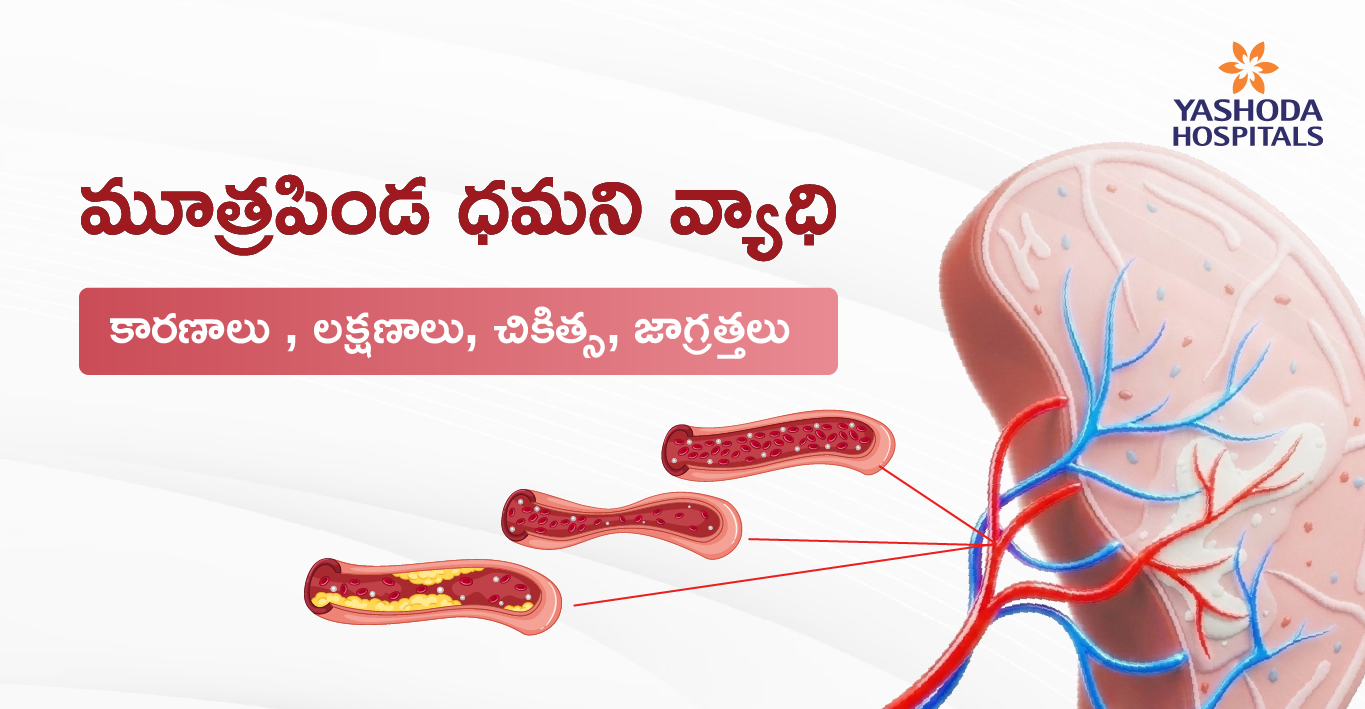
మూత్రపిండ ధమని వ్యాధి (రీనల్ ఆర్టరీ స్టెనోసిస్) : కారణాలు , లక్షణాలు, చికిత్స, జాగ్రత్తలు
Jan 20, 2026 11:15మూత్రపిండాలకు రక్తం తీసుకెళ్లే ఈ ధమనుల్లో అడ్డంకులు ఏర్పడవచ్చు, ఈ పరిస్థితిని మూత్రపిండ ధమని వ్యాధి (రీనల్ ఆర్టరీ స్టెనోసిస్) అంటారు.

Nephrotic Syndrome: What Is It and How Can It Be Managed?
Feb 19, 2025 05:57Nephrotic syndrome is a group of symptoms and signs that point to kidney damage. The kidneys act as filters, removing waste and excess fluids from the blood. Injury to the kidneys leads to the escape of protein into urine, causing a chain reaction of other complications.
కిడ్నీ వ్యాధి రకాలు, లక్షణాలు మరియు ముఖ్యమైన అంశాల గురించి వివరణ
Jan 08, 2025 15:58శరీరంలో ముఖ్యమైన అవయవాల్లో కిడ్నీలు (మూత్రపిండాలు) ప్రధానమైనవి. ఇవి సక్రమంగా పనిచేస్తే శరీర అవయవాలు కూడా చక్కగా పనిచేస్తాయి. కిడ్నీలకు ఏ చిన్న సమస్య వచ్చినా శరీరమంతా మలినమైపోతుంది.

Kidney Stone Treatment: Extracorporeal Shock Wave Lithotripsy
Sep 19, 2024 16:51Extracorporeal shockwave lithotripsy (ESWL) is a revolutionary, non-invasive procedure used in kidney stone treatment.

What is Diabetic Nephropathy?
Apr 10, 2023 12:31Diabetic nephropathy is a significant health concern that affects millions of people worldwide, especially those with type 1 or type 2 diabetes.
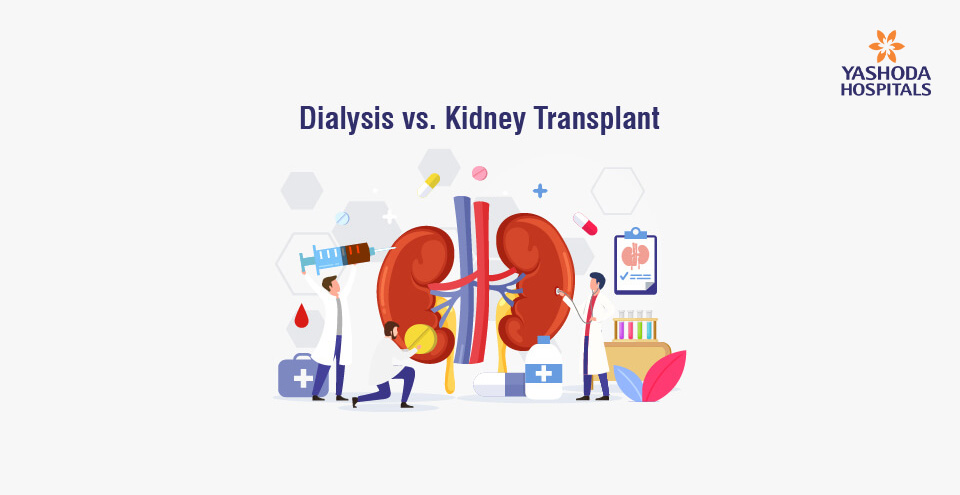
Dialysis vs. Kidney Transplant
Feb 20, 2023 12:16Dialysis or kidney transplant? Which one is better? Choosing between dialysis and a kidney transplant can be a difficult

Everything You Need To Know About Acute Kidney Injury
Jan 04, 2023 11:31Acute kidney injury (AKI) is a serious condition that can lead to long-term kidney damage and even death.
Is Kidney Replacement Therapy Required for Everyone with Kidney Disease?
Jan 02, 2023 11:24Kidney failure is the fifth and final stage of chronic kidney disease (CKD). It is also known as end-stage renal disease (ESRD) or end-stage kidney disease (ESKD).
FAQ’s
What is a kidney transplant?
Kidney transplant is a surgical procedure that involves the removal of an effected kidney and replacing it with a healthy kidney. The kidney can be transplanted from a dead donor or a living donor.
How is a kidney transplant done?
The procedure includes selecting a suitable donor, carrying out medical examinations, executing kidney replacement surgery, and providing continuous immunosuppressive medicine post-transplant surgery.
What are the benefits of kidney transplantation over dialysis?
Kidney transplantation allows patients to have a more normal life without frequent dialysis or dietary restrictions and improves quality of life by facilitating flexibility in daily activities,work.
What’s the difference between living and deceased donor kidney transplants?
Living donor kidney transplant surgery involves shorter waiting periods and a higher success rate. Transplants using deceased donors provide possibilities for recipients without living donors, although they may have lower success rates because they employ kidneys from recently deceased patients.
What tests are done before a kidney transplant?
Tests include blood and urine tests, imaging scans, cardiac evaluations, biopsies, and crossmatch tests to ensure compatibility and overall health.
Why is immunosuppressive medication needed after a kidney transplant?
These medications prevent the body from rejecting the new kidney by suppressing the immune system, and they must be taken lifelong with regular monitoring.
How long can a person live with a kidney transplant?
A successful transplant involves various factors. A kidney transplant from a living donor can last 12–25 years, while a kidney from a deceased donor can last 8–20 years.
What happens after kidney transplant surgery?
Immunosuppressive medication needed after a kidney transplant These medications prevent the body from rejecting the new kidney by suppressing the immune system, and they must be taken lifelong with regular monitoring.
How long does it take for a patient to recover from a kidney transplant?
Recovery from transplant surgery varies from person to person. The general recovery timeline to return to normal activities may take around 6–8 weeks, avoiding strenuous activities.
Which hospital is best for kidney transplants in Hyderabad?
A successful kidney transplant requires the expert guidance of a skilled transplant surgeon, state-of-the-art surgical infrastructure, and comprehensive postoperative transplant care. At Yashoda Hospitals, we excel in all these areas, making us the most trusted destination for kidney transplants.
Why choose Yashoda for kidney transplant?
Unmatched expertise, state-of-the-art facilities, and a dedicated team with a proven record of success in providing personalised care, from pre-surgery preparation to post-operative recovery, make us the best choice for patients looking for a kidney transplant.

 Appointment
 Second Opinion
 Live Chat
 Call
Call More
More


