


Sarcopenia: The muscle loss epidemic in people over 50 that nobody talks about.
Getting older does not automatically mean becoming weak. But after the age of 50, many people begin to lose muscle mass and strength gradually. Because the change can happen slowly, it is often dismissed as a normal part of aging.
This age-related loss of muscle is called sarcopenia. You may first notice small changes. Climbing stairs becomes harder. Carrying grocery bags takes more effort. You may feel less steady while walking or find it difficult to get up from a chair without using your hands. Over time, these changes can affect mobility, independence, and quality of life.
The good news is that muscle loss is not something you simply have to accept with age. Identifying sarcopenia early and focusing on strength training, nutrition, and overall health can help older adults maintain muscle function.
What Is Sarcopenia?
Sarcopenia is the gradual loss of muscle mass, muscle strength, and physical function that can happen as we age. It is more common in older adults, but muscle loss can begin earlier, particularly when a person is physically inactive or not getting enough nutrition.
As we get older, some loss of muscle is a normal part of aging. However, when muscle weakness becomes significant, everyday activities such as climbing stairs, carrying groceries, walking for longer distances, or getting up from a chair can become more difficult.
Sarcopenia can affect both men and women. The risk may also be higher in people with a sedentary lifestyle, inadequate protein intake, prolonged inactivity, or certain long-term health conditions.
Recognizing the signs early is important because regular strength-building exercise, adequate nutrition, and appropriate medical care can help maintain muscle strength and physical independence as you age.
Why Does Muscle Loss Increase After 50?
Muscle loss can start gradually in adulthood, but it often becomes more noticeable after the age of 50. As we get older, the body undergoes several changes that can affect how muscles grow, recover, and maintain their strength. Hormonal changes, reduced physical activity, and lower protein intake can all play a role. Muscles may also become less responsive to exercise, making it harder to maintain muscle mass without regular strength training.
Certain health conditions can add to the problem. Chronic illnesses, prolonged bed rest, poor nutrition, inflammation, and unintentional weight loss may contribute to faster muscle loss. Similarly, people who become less active because of joint pain, illness, or a sedentary lifestyle may experience further declines in muscle strength.
This is why maintaining muscle after 50 is an important part of healthy aging. Staying physically active, eating a balanced diet with adequate protein, and addressing health problems early can help support strength, mobility, and independence as you grow older.
Symptoms of Sarcopenia
Sarcopenia can develop slowly, so the early signs may not always be easy to notice. Many people gradually adjust to changes in their strength and activity levels without realizing that they are losing muscle function. Over time, simple everyday tasks may start to feel more difficult than they used to.
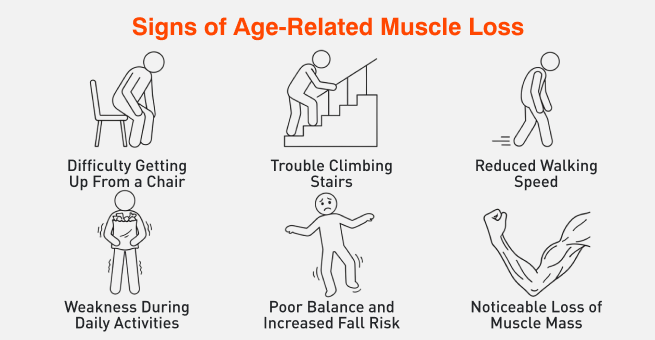
Common sarcopenia symptoms include:
- Difficulty getting up from a chair or bed
- Trouble climbing stairs
- Walking more slowly than before
- Finding it difficult to carry groceries or household items
- Feeling weaker during routine activities
- Getting tired easily while walking or exercising
- Poor balance or feeling unsteady while walking
- Increased risk of slips and falls
- Difficulty doing everyday activities independently
- Noticeable reduction in muscle size
- Becoming less physically active because of weakness
One of the earliest warning signs is often a change in once-easy activities. For example, you may have previously climbed two flights of stairs without a problem but now need to stop because your legs feel weak or tired. If you notice a gradual decline in strength, balance, or mobility, it is worth speaking with a healthcare professional for an evaluation.
Experiencing muscle weakness after 50? Consult a Sarcopenia Specialist at Yashoda Hospitals Today.
What Causes Sarcopenia?
Aging is one of the main factors behind sarcopenia, but it is not the only cause. Muscle loss usually develops due to a combination of age-related changes, lifestyle factors, nutrition, and underlying health conditions. Understanding the causes of sarcopenia can help you take steps to protect muscle strength as you get older.
1. Physical Inactivity
Muscles need regular movement and resistance to stay strong. Spending long hours sitting, avoiding exercise, or becoming less active can gradually reduce muscle strength and mass. This can be especially noticeable in older adults who have a sedentary lifestyle.
2. Inadequate Protein Intake
Protein is essential for building and maintaining muscle. Some older adults may not eat enough protein because of reduced appetite, dental problems, digestive difficulties, or changes in eating habits. Over time, inadequate nutrition can contribute to muscle loss.
3. Age-Related Hormonal Changes
As we age, levels of certain hormones involved in maintaining muscle can change. These changes may affect the body’s ability to build and repair muscle, particularly when combined with physical inactivity or poor nutrition.
4. Chronic Health Conditions
Long-term health conditions such as diabetes, heart disease, kidney disease, and other chronic illnesses may contribute to muscle loss. Managing these conditions and maintaining regular physical activity can be an important part of protecting muscle health.
5. Hospitalisation and Prolonged Bed Rest
Periods of bed rest or limited movement can cause muscle strength to decline quickly, particularly in older adults. Even after recovering from an illness or hospital stay, it may take time and appropriate rehabilitation to regain lost strength.
Overall, sarcopenia is often the result of several factors working together. Staying active, eating a balanced diet with adequate protein, and managing existing health conditions can help support muscle strength and mobility as you age.
Who Is at Risk of Sarcopenia?
Sarcopenia can affect anyone as they get older, but some people have a higher risk of developing significant muscle loss. The risk may increase when aging is combined with an inactive lifestyle, poor nutrition, or certain health conditions.
People may be more likely to develop sarcopenia if they:
- Get little regular physical activity or exercise
- Do not eat enough protein or have a poorly balanced diet
- Have experienced unexplained or unintentional weight loss
- Live with long-term health conditions
- Spend most of the day sitting or are generally inactive
- Have had repeated hospital stays
- Have difficulty walking or maintaining balance
- Have a history of falls
- Have spent long periods on bed rest or have had limited movement
It is important to remember that sarcopenia is not limited to people who are thin or frail. A person can have a normal or higher body weight and still have low muscle strength or muscle mass. In some cases, reduced muscle mass or strength occurs alongside excess body fat, a condition known as sarcopenic obesity.
For this reason, body weight or appearance alone cannot tell you whether your muscles are healthy. Changes in strength, mobility, and physical function are also important signs to pay attention to.
How Is Sarcopenia Diagnosed?
There is no single test that can identify sarcopenia in every person. A doctor usually looks at a combination of symptoms, muscle strength, physical performance, and muscle mass to understand whether age-related muscle loss is affecting a person’s health and daily life.
The assessment may begin with questions about changes in strength, walking ability, balance, and everyday activities. Your doctor may also review your medical history, medications, diet, and any health conditions that could contribute to muscle loss.
Depending on your symptoms and overall health, a sarcopenia diagnosis may involve:
- Testing muscle strength
- Checking walking speed and physical performance
- Measuring grip strength
- Assessing muscle mass and body composition
- Reviewing nutritional status
- Evaluating existing medical conditions and medications
In some cases, tests such as bioelectrical impedance analysis (BIA) or a DEXA/DXA scan may be used to estimate muscle mass and body composition.
Importantly, sarcopenia is not diagnosed simply by looking at how much muscle a person has. Muscle strength and physical performance are also important. Someone may not look noticeably thin or weak but could still have reduced muscle strength that affects mobility and everyday activities. A proper assessment can help identify the problem and guide an appropriate exercise, nutrition, or treatment plan.
Sarcopenia Treatment
Sarcopenia treatment focuses on improving muscle strength, mobility, and physical function. Regular strength training, adequate protein, and good overall nutrition are important parts of management. Any underlying health conditions should also be addressed.
Strength Training
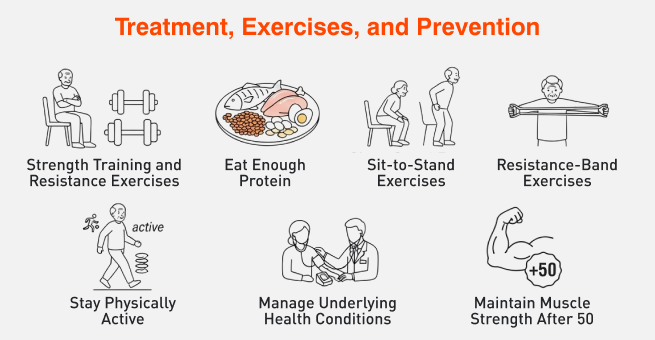
Resistance exercises can help maintain and improve muscle strength. Depending on your fitness level, these may include:
- Bodyweight exercises
- Resistance bands
- Light weights
- Sit-to-stand exercises
- Leg-strengthening exercises
Start gradually, especially if you have joint problems, balance issues, or other medical conditions.
Protein-Rich Nutrition
Adequate protein supports muscle maintenance. Good sources include eggs, fish, chicken, milk, curd, paneer, dal, beans, soy, tofu, nuts, and seeds. Your individual protein needs may vary, particularly if you have kidney or other health conditions, so speak with a doctor or dietitian before using protein supplements.
Vitamin D and Other Nutrients
Vitamin D and other essential nutrients support muscle and bone health. If a deficiency is suspected, your doctor may recommend testing and appropriate supplementation.
Treating Underlying Conditions
Managing conditions that contribute to muscle loss is an important part of sarcopenia treatment.
Best Exercises for Sarcopenia
Simple exercises can help improve strength and mobility:
- Sit-to-stand: Strengthens the thighs and hips.
- Wall push-ups: Help strengthen the upper body.
- Step-ups: Work the legs and improve functional strength.
- Resistance-band exercises: Can strengthen both the upper and lower body.
- Walking: Supports mobility and overall fitness but is best combined with strength exercises.
If you have significant weakness, balance problems, or a history of falls, consult a healthcare professional or physiotherapist before starting a new exercise program.
Can Sarcopenia Be Prevented?
While ageing cannot be stopped, healthy habits can help reduce the risk of age-related muscle loss. Staying active, doing regular strength exercises, and eating enough protein are some of the most important steps.
You can support healthy muscles by:
- Staying physically active
- Doing regular strength exercises
- Eating a balanced, protein-rich diet
- Avoiding long periods of inactivity
- Maintaining a healthy weight
- Getting adequate sleep
- Managing chronic health conditions
- Treating vitamin deficiencies when present
- Avoiding smoking and excessive alcohol
It is never too late to start. Even if you have been inactive for years, gradual and consistent exercise can help improve strength, mobility, and physical function.
Looking for effective treatment for age-related muscle loss? Book a Consultation at Yashoda Hospitals.
When Should You See a Doctor?
A gradual decline in strength should not always be considered a normal part of aging. Consider seeing a doctor if you:
- Struggle to get up from a chair
- Have difficulty climbing stairs or walking
- Notice repeated falls or balance problems
- Experience unexplained weight or muscle loss
- Feel unusually weak or tired during routine activities
- Need increasing help with everyday tasks
Early evaluation can help determine whether the symptoms are related to sarcopenia or another underlying health condition and guide appropriate treatment.
Why Choose Yashoda Hospitals for Sarcopenia Evaluation and Management?
Expertise in Sarcopenia Evaluation and Management
Yashoda Hospitals has experienced specialists who can evaluate concerns related to age-related muscle loss, weakness, and reduced mobility. The team assesses symptoms such as difficulty walking, climbing stairs, getting up from a chair, poor balance, and reduced physical strength to understand the possible cause and plan appropriate care.
Comprehensive Consultation and Assessment
A detailed consultation helps assess your symptoms, medical history, physical activity, nutritional intake, and existing health conditions. Doctors may recommend strength, mobility, or muscle-mass assessments when required. This helps create a care plan based on the individual’s health and functional needs.
Access to Diagnostic and Rehabilitation Services
Patients can undergo appropriate clinical assessments to evaluate muscle strength, physical performance, and body composition. When required, nutritional guidance, physiotherapy, exercise-based rehabilitation, and other supportive services may be included as part of the treatment plan.
Coordinated Multidisciplinary Care
Managing sarcopenia may involve more than one area of care. Depending on individual needs, patients may receive support from physicians, geriatric specialists, physiotherapists, dietitians, and other healthcare professionals. This coordinated approach focuses on improving strength, mobility, and independence while addressing underlying health concerns.
Concerned about muscle loss, poor balance or difficulty walking? Get Expert Evaluation at Yashoda Hospitals to Improve Strength and Mobility.
FAQs
1. What is sarcopenia?
Sarcopenia is the age-related loss of muscle strength and muscle mass that can affect mobility and physical function.
2. Does sarcopenia happen after 50?
The risk of age-related muscle loss increases as people get older, and changes may become more noticeable after 50. However, the timing and severity vary between individuals.
3. What are the early signs of sarcopenia?
Early signs can include difficulty getting up from a chair, climbing stairs, carrying objects, walking at your usual pace, or performing activities that were previously easy.
4. Can sarcopenia be reversed?
Muscle strength and physical function can often be improved with appropriate resistance exercise, adequate nutrition, and management of underlying health conditions. The amount of improvement varies between individuals.
5. What exercises are good for sarcopenia?
Strength and resistance exercises are particularly useful. Sit-to-stands, resistance-band exercises, supervised weight training, and other strengthening exercises may be appropriate depending on a person’s health and fitness level.
6. How much protein should an older adult eat?
Protein requirements vary depending on factors such as age, body weight, physical activity, and kidney health. A doctor or registered dietitian can help determine an appropriate intake.
7. Can walking prevent muscle loss?
Walking is valuable for maintaining mobility and overall health, but walking alone may not provide enough resistance to maintain or build muscle. Strength exercises are generally an important part of a muscle-preserving exercise program.
8. Is sarcopenia only seen in thin people?
No. A person can have excess body fat while also having low muscle strength or muscle mass. Muscle health should therefore not be judged by body weight or appearance alone.
9. Can poor nutrition cause muscle loss?
Yes. Inadequate intake of protein, calories, and other essential nutrients can contribute to muscle loss, particularly in older adults.
10. Which doctor should I consult for sarcopenia?
You can begin with a physician or geriatric specialist. Depending on your symptoms, you may also be referred to a physiotherapist, dietitian, or another specialist for further assessment and management.







 Appointment
 Second Opinion
 Live Chat
 Call
 More