


Pain in the Abdomen During Pregnancy? Causes And Home Remedies
When a woman becomes pregnant, it brings many changes to the body, including an ache in the abdomen, which is one of the signs most women face at some point. A gentle cramp after changing positions, a feeling of pull in the lower abdomen, or uneasiness caused by gas and constipation might be part of usual changes while pregnant. Nevertheless, pain in the abdomen in this pregnancy phase should not be discarded as a regular symptom.
The nature of pain during pregnancy, the location of the pain, how serious it is, and how long the patient has been feeling pain, along with symptoms like bleeding from the vagina, fever, issues during urination, fluid leakage, and routine contractions, can give vital hints about the need for medical attention.
Gentle pain in the abdomen that settles with rest, changing positions, passing stool, or just farting is normally less cause for worry. In contrast, serious or continuous pain and pain along with other signs of worry need medical evaluation.
Should You Fret About Abdominal Pain During Pregnancy?
Gentle abdominal pain or cramps can happen while pregnant and might be related to usual physical and hormonal changes that take place in the body. As the uterus expands, nearby tissues and ligaments stretch, while hormones released during pregnancy affect bowel movements and overall digestion.
Usual triggers of possibly gentle discomfort include
- Gas and Bloating.
- Constipation.
- Indigestion and Heartburn.
- Stretching of the Round Ligaments.
- Changes in the position of the uterus.
- Braxton Hicks contractions later during pregnancy.
Particularly, pain in the round ligament can lead to a sharp, pulling, and cramping sensation, especially when a pregnant woman stands up unexpectedly, takes a turn in bed, coughs or sneezes, and changes her position. This is particularly common during the second trimester.
Nevertheless, usual uneasiness during pregnancy normally has an identifiable blueprint and is inclined to get better with rest or simple steps. Pain in the abdomen that is serious, continuous, and gets worse or is linked with other signs should be examined instead of being treated entirely with home remedies.
Each Twinge Explains the Story Behind Abdominal Pain During Pregnancy
Pain in the abdomen can have many causes; some are harmless and short-term, while others need immediate medical attention.
1. Round Ligament Pain:
The round ligaments provide support to the uterus and are stretched as the uterus grows while the individual is pregnant. This stretching can generate unexpected discomfort in the lower abdomen, pelvis, hip, or groin.
Pain in the round ligaments might feel like:
- A sharp or stabbing sensation.
- A pulling sensation.
- A short cramp.
- An ache in one side or both sides of the lower abdomen.
This round ligament pain is especially common during the second trimester and might be activated by sudden movements. Resting, changing position slowly, and giving support to the abdomen might assist.
Even though round ligament pain is normally harmless, pain that does not settle down or occurs along with vaginal bleeding or contractions should be discussed with a specialist.
2. Gas and Bloating
Hormones released during pregnancy can slow the process of digestion, making gas and bloating increasingly common. Along with this, the expanding uterus can also put pressure on the digestive tract as pregnancy develops.
Gas-related discomfort might cause:
- Abdominal fullness.
- Bloating
- Cramping
- Pressure
- Pain that gets better after farting or having a bowel movement.
Slow eating, avoiding foods that regularly trigger gas, and staying physically active whenever medically suitable might assist.
3. Constipation
Constipation is another common reason for abdominal discomfort during pregnancy. Changes in hormones can decrease the speed of bowel movements, while decreased physical activity, changes to the diet, and some prenatal supplements might also lead to constipation.
Constipation might cause:
- Cramps in the lower abdomen.
- Bloating
- Fullness
- Pressure in the abdomen
- Hard or infrequent stools
Specialists normally suggest steps like taking enough fluids and fiber-rich foods, combined with proper physical activity, to assist in managing pregnancy-related constipation.
Acute Constipation:
Serious abdominal pain during pregnancy accompanied by continuous vomiting, abdominal swelling, or inability to pass stool or gas might point to bowel obstruction, which needs urgent medical tests. The treatment is dependent on the cause and seriousness of the condition, and surgery might be necessary if a serious obstruction is confirmed.
4. Indigestion and Heartburn
Pregnancy can also contribute to indigestion and acid reflux. Changes in hormones and pressure from the ever-expanding uterus can affect digestion, and the individual might experience
- Burning sensation in the upper abdomen or chest
- Bloating
- Feeling abnormally full after eating
- Belching (the body’s normal way to release extra air from the upper digestive tract through the mouth).
- Acid or food regurgitating back into the throat.
Taking small meals, slow eating, and identifying foods that instigate the above-mentioned symptoms might assist.
5. Braxton Hicks Contractions
Braxton Hicks contractions are short-term uterine tightenings that might become more evident as pregnancy progresses. Individuals feel like their abdomen is becoming tight or firm.
In contrast to real contractions during labour, Braxton Hicks contractions are normally irregular and might correct themselves after a change of position, resting, or drinking water. These contractions are especially common during the third trimester.
Nevertheless, routine or increasingly regular contractions before 37 weeks should not be simply assumed as barxton hicks contractions.
6. Urinary Tract Infections:
Urinary tract infections can occur during pregnancy and might cause uneasiness in the lower abdomen. Other signs of the infection might include
- Burning or pain sensation while urinating.
- The need to urinate regularly.
- Sudden urgency to urinate
- Cloudy or unusual coloured urine.
Urinary tract infections while being pregnant require proper medical evaluation and therapy. Home remedies should not replace medical care if the infection is suspected.
7. Surgical Emergencies During Pregnancy:
Eventhough abdominal pain during pregnancy can be the outcome of a normal bodily change, some conditions might need immediate medical evaluation and, in some cases, emergency surgery or other procedures. Early diagnosis and suitable therapy might assist in preventing issues for both mother and the baby.
Ovarian Torsion:
This occurs when the ovary twists around its own supporting tissue, possibly decreasing its blood supply. It can lead to sudden, serious abdominal or pelvic pain, often accompanied by nausea and vomiting, and needs urgent surgical evaluation and sometimes surgery.
Ruptured Ectopic Pregnancy:
An ectopic pregnancy occurs when the fertilized egg implants itself outside the uterus. If this ruptures, it can lead to severe abdominal pain, vaginal bleeding, dizziness, fainting, and life-threatening internal bleeding. Emergency therapy, normally surgery, then becomes important.
Appendicitis or Ruptured Appendix:
Appendicitis causes inflammation of the appendix and might lead to pain in the abdomen, nausea, vomiting, and fever. If left untreated, the appendix can rupture and cause serious infection. Immediate medical examination followed by surgery when indicated is important.
Gallstones (Cholelithiasis):
Gallstones can cause pain in the upper right side of the abdomen, especially after meals, which is sometimes accompanied by nausea or vomiting. Issues such as acute gallbladder inflammation might need urgent treatment and, in some cases, surgery.
Renal Pain or Urinary Tract Dilatation:
Changes in hormones and pressure from the growing uterus can widen the urinary tract during pregnancy, a condition known as hydronephrosis. Nevertheless, kidney stones, urinary obstruction, or an associated infection can cause serious flank or abdominal pain and might require urgent therapy. If necessary, ureteral Double-J (DJ) stent placement can assist in drainage of urine from the kidney into the bladder. A percutaneous nephrostomy is a procedure that might be performed to drain urine directly through a tube inserted through the skin. These procedures are mostly required when obstruction leads to impaired kidney function and causes continuous, severe pain in the abdomen.
As the Baby Grows, So Does the Abdominal Pain Through Every Trimester:
The possible causes of abdominal pain can differ depending on how far the pregnancy has progressed.
Abdominal Pain Through the First Trimester
Through early pregnancy, moderate cramping might happen as the uterus and its nearby tissues adapt to pregnancy. Gas and constipation can also cause uneasiness.
Nevertheless, pain in the abdomen or pelvic region along with vaginal bleeding requires immediate medical attention.
Ectopic pregnancy is another vital condition that doctors need to rule out during the early pregnancy phase. It happens when a fertilized egg implants itself outside the uterus, most probably in the fallopian tube. Signs include pain in the abdomen or pelvis, unusual vaginal bleeding, and, on some occasions, shoulder pain. Serious pain, dizziness, weakness, or even fainting can indicate a rupture and needs emergency care.
Thus, early-pregnancy abdominal pain should not be spontaneously assigned as being a normal pregnancy change.
Abdominal Pain Through Second Trimester
The second trimester phase is when the round ligament pain normally becomes evident because of rapid uterine growth.
Gas, constipation, and discomfort can continue during this phase. Gentle, short-term discomfort that gets better with rest might be less problematic.
Nevertheless, continuous pain, bleeding, fluid leakage, or routine contractions need medical evaluation.
Abdominal Pain Through the Third Trimester
In the late pregnancy phase, abdominal discomfort normally occurs because of a growing uterus, pressure on nearby organs, digestive changes, or braxton hicks contractions.
But abdominal pain can also accompany conditions like preterm labour, placental issues, or pre-eclampsia.
Pre-term labour is the start of labour before 37 weeks, where signs can include routine contractions or tightening of the uterus, pelvic or lower abdominal pressure, lower backache, changes in vaginal discharge, and leakage of fluid.
Therefore, the timing and pattern of abdominal pain become especially vital in the late pregnancy phase.
From Ache To Ease, Compassionate Home Remedies for Abdominal Pain
Care at home for abdominal pain during pregnancy can sometimes assist with moderate discomfort caused by common changes in the body during pregnancy. But home remedies should never be used to delay medical attention for serious or unexplained abdominal pain during pregnancy.
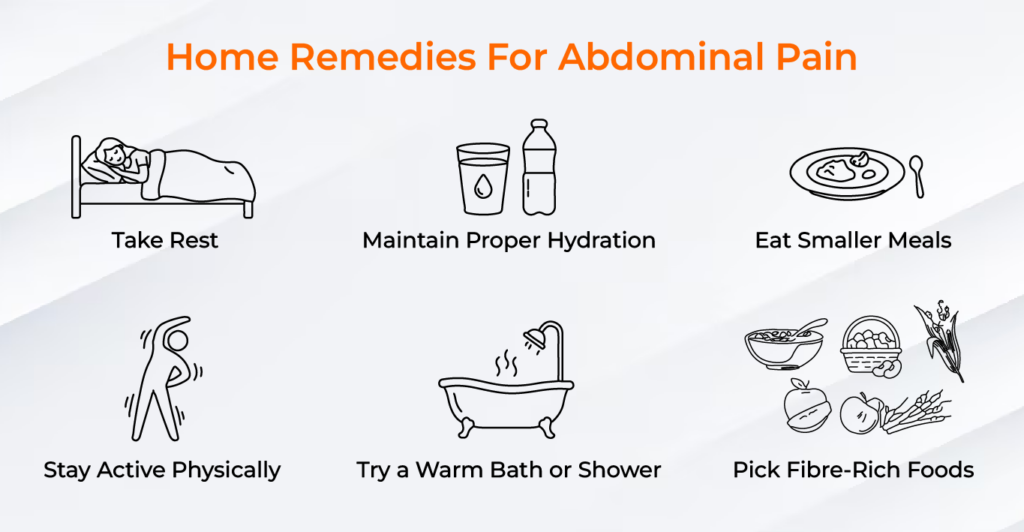
1. Taking Rest:
If abdominal discomfort starts after physical activity or sudden movement, the individual should immediately stop the activity and rest.
The individual should sit or lie in a comfortable position and observe if the discomfort gets better. They should also avoid repeated movements that might activate the pain.
2. Change Positions Slowly:
Sudden movements can increase round ligament pain; instead of getting up quickly, the individual should
- Turn slowly in bed
- Sit before standing
- Avoid sudden twisted movements
- Support their abdomen when coughing or sneezing.
These simple changes might decrease strain on the supporting round ligaments.
3. Maintain Proper Hydration
Intaking a sufficient amount of fluids is vital during pregnancy and can also assist in preventing constipation. Instead of drinking a huge amount of water at once, the individual should maintain a routine for drinking fluids throughout the day.
If the doctor has advised the individual to limit fluids for some reason, the individual should follow the medical advice strictly.
4. Eat Smaller Meals:
If the reason for abdominal discomfort is related to indigestion or bloating, the patient should try eating smaller meals more regularly instead of consuming very large meals.
Slow eating and chewing food properly might also assist in decreasing digestive discomfort.
5. Picking Fiber-Rich Foods:
If constipation is the reason contributing to abdominal discomfort, include fibre-rich foods such as fruits, vegetables, whole grains, beans, lentils, and other fibre-rich foods that are suitable for diet of the individual.
Specialists suggest increasing dietary fiber as one of the lifestyle approaches for controlling constipation during pregnancy. Increasing fiber in the diet slowly and drinking enough fluids normally assists the digestive system in adjusting.
6. Staying Active Physically When Medically Appropriate:
Mild activity after eating can support digestion and assist in preventing constipation. Walking and other pregnancy-safe exercises might be beneficial, but exercise suggestions should be individualized if the pregnancy has complications or the patient has been advised to restrict physical activity.
7. Try a Warm Bath Or Shower:
A comfortably warm bath or shower might assist in relaxing muscles and some types of pregnancy-related discomfort.
The patient should avoid excessively hot water, especially if they feel dizzy or unwell. If the patient is suspected to have round ligament pain, rest, gentle stretching, avoiding aggravating positions, and warm, not hot, baths are among the measures that might assist.
8. Identifying The Triggers Of Abdominal Pain During Pregnancy:
The individual keeping track of when pain occurs is very useful. They should ask themselves.
- Did it happen after eating?
- Did it happen after sudden movements?
- Does passing gas or stool improve it?
- Does resting make the condition better?
- Is the abdominal pain becoming more routine?
- Is the abdominal pain associated with contractions or other symptoms?
This information can also assist the obstetrician in comprehending the issue of abdominal pain during pregnancy if it becomes necessary.
Little Caution With a Lot of Care: Home Remedies to Avoid Without Doctor’s Advice
One of the most vital aspects to remember during pregnancy is that natural does not always mean safe.
The patient should not use dubious herbal supplements or conventional remedies to treat unexplained pain in the abdomen without discussing it with the doctor. In the same way, the patient should not automatically take an over-the-counter painkiller, usually because it is commonly used for pain. The safety of medicines being taken depends on the drug, its dose, stage of pregnancy, and the health of the individual.
If constipation is the suspected cause behind abdominal pain during pregnancy, the patient should avoid utilizing remedies like castor oil or mineral oil unless the doctor specifically suggests those medicines.
Thus, it is vital not to use home remedies to mask serious or continuous abdominal pain during pregnancy. Providing pain relief without knowing the cause could delay the treatment of the condition, which requires urgent care.
Not Every Abdominal Pregnancy Pain Can Wait
The patient knowing the warning signs of abdominal pain is more vital than trying to ascertain the exact cause of pain on their own.
The patient should contact an obstetrician or maternity team, or get urgent medical evaluation if the abdominal pain during pregnancy is accompanied by
- Vaginal bleeding or spotting.
- Serious or persistent abdominal pain.
- Routine abdominal cramps or tightening.
- Lower back pain.
- Pressure in the pelvis.
- Unusual vaginal discharge.
- Leakage of fluid from the vagina
- Pain or burning during urination.
- Sudden or continuous urinary urgency
- Cloudy, pink, red, or brown urine.
- Fever and a significant feeling of not being well.
- Serious vomiting or inability to keep fluids in the body.
Each Ache Has a Clue: Diagnosis of Abdominal Pain During Pregnancy
If abdominal pain needs medical evaluation, the doctor will initially try to understand what the pain feels like and if there are any associated symptoms.
The patient might be asked:
- When did the pain start?
- Where exactly is the pain?
- Is the pain sharp, dull, cramping, or burning?
- Is the pain constant, or does it come and go?
- Does anything make the pain better or worse?
- Has the patient noticed bleeding or any abnormal discharge?
- Is the patient having contractions?
- Does the patient have constipation or diarrhea?
- Is the patient experiencing urinary symptoms?
- Does the patient have a fever or vomiting?
- How many weeks is the patient pregnant?
Based on the situation, the examination of abdominal pain during pregnancy might include physical evaluation, measurement of blood pressure, urine evaluation, blood evaluation, ultrasound, or other evaluations.
The objective is not simply to identify a source of pain but also to ascertain that both maternal and pregnancy-related issues are properly evaluated.
Listen To Every Ache
Find Your Pregnancy Comfort At Yashoda Hospitals
A Little Care For Fewer Aches: Can Abdominal Pain During Pregnancy Be Prevented?
Not every episode of pregnancy-related abdominal discomfort can be prevented. Nevertheless, many habits might reduce normal triggers.
- The patient should drink sufficient fluids.
- Individuals should include fiber-rich foods in their diet.
- The patient should also eat small meals if large meals lead to discomfort.
- The patient should identify the foods that cause gas and indigestion.
- The patient should stay physically active if their caregiver says it is safe.
- The patient should avoid sudden movements.
- They should also change their positions slowly.
- The patient should follow the prenatal care schedule
- The individual should take medicines only when suggested
- The patient should report any recurring or unexplained pain to their obstetrician.
Abdominal Pain During Pregnancy: From Pain To Peace
Abdominal pain during pregnancy might be just a passing discomfort or a mild reminder that the body of the individual is changing. The patient should listen to what their body tells them, comprehend the signs of warning, and never decide against seeking medical guidance. When something does not feel normal, with the right awareness and on-time care, the individual can safeguard both their well-being and that of their growing little one.
Listen to the body, trust the signs, and cherish each step of the journey.
Have any questions or concerns about your health? We are here to help! Call us for expert advice and support
About Author

Dr. Damalapati Sonia Rani
MBBS, DGO, DNB(OBGYN), FRM, FMASSr. Consultant Obstetrician and Gynecologist Laparoscopic / Robotic Surgeon, High Risk Pregnancy Care
FAQs
1. Is moderate pain in the abdomen normal during pregnancy?
Moderate abdominal discomfort is very common during pregnancy and might be an outcome of gas, constipation, stretched ligaments, or changes associated with a growing uterus. Nevertheless, if the pain in the abdomen is serious, continuous, or accompanied by bleeding, fluid leakage, contractions, or other symptoms, it should be medically evaluated.
2. What can an individual do at home for moderate pain in the stomach in pregnancy?
For moderate discomfort, the patient can try resting, staying well hydrated, eating small meals, and addressing constipation through adequate fiber, fluids, and proper physical activity. These measures are intended for moderate, uncomplicated discomfort, not unexplained pain or serious pain.
3. Why Does an Individual’s Lower Abdomen Cause Issues During Pregnancy?
Lower abdominal discomfort can have many causes, including constipation, gas, round ligament pain, and changes in the uterus. The cause of the pain cannot be ascertained by its location alone. If the pain is continuous, serious, or is associated with bleeding, contractions, or urinary symptoms, the individual should contact their healthcare provider.
4. What Does Round Ligament Pain Feel Like?
Round ligament pain can feel like a sharp, stabbing, pulling, and cramping sensation in the lower abdomen, pelvis, hip, or groin. It mostly occurs after sudden movements and is especially common during the second trimester.
5. Can Constipation Cause Abdominal Pain During Pregnancy?
Yes, constipation can lead to cramps in the abdomen, fullness, pressure, and bloating. Hormones released during pregnancy, changes in activity, and the growing uterus can all contribute. Fiber-rich foods, sufficient fluid intake, and proper physical activity can assist, while medications should be discussed with a healthcare provider.
6. Can Gas Cause Pain in the Stomach During Pregnancy?
Yes, gas can cause bloating, pressure, and cramping during pregnancy. The discomfort might improve after passing gas or having a bowel movement. Continuous or serious pain should not be automatically attributed to gas.
7. When Is Pain In the Abdomen an Emergency During Pregnancy?
Serious or consistent pain, serious one-sided pain in early pregnancy, pain accompanied by vaginal bleeding, pain in the shoulder, fainting, routine contractions, leakage of fluid, or significant illness needs urgent medical care.
8. Can Pain in Abdomen Mean Labor Has Begun?
Yes, it can mean that, especially when pain occurs as routine contractions that become stronger and more regular. Before week 37, routine contractions, pressure in the pelvic region, and low backache or leakage of fluid might indicate preterm labor and need for immediate evaluation.
9. Is Abdominal Pain During Early Pregnancy Always A Sign Of Miscarriage?
No, moderate cramping might happen for many reasons during early pregnancy. Nevertheless, abdominal pain accompanied by vaginal bleeding should be evaluated because miscarriage and ectopic pregnancy are among the conditions that might need to be ruled out.
10.Can I Take A Painkiller For Abdominal Pain During Pregnancy?
The individual should never self-medicate because a medicine is available without a prescription. The individual should speak with the obstetrician or another qualified healthcare professional about what medicines are appropriate for them, especially when the cause of abdominal pain has been established.








 Appointment
 Second Opinion
 Live Chat
 Call
 More